Image: America's Electric Cooperatives
A single rural electric cooperative in Wisconsin might serve 30,000 meters across three counties with an IT staff of exactly two people. Now imagine that same co-op is a target for the same nation-state hacking groups that hit Colonial Pipeline. That's not hypothetical — it's happening right now, and a key federal program designed to help is about to expire.
The Program Congress Is About to Let Die
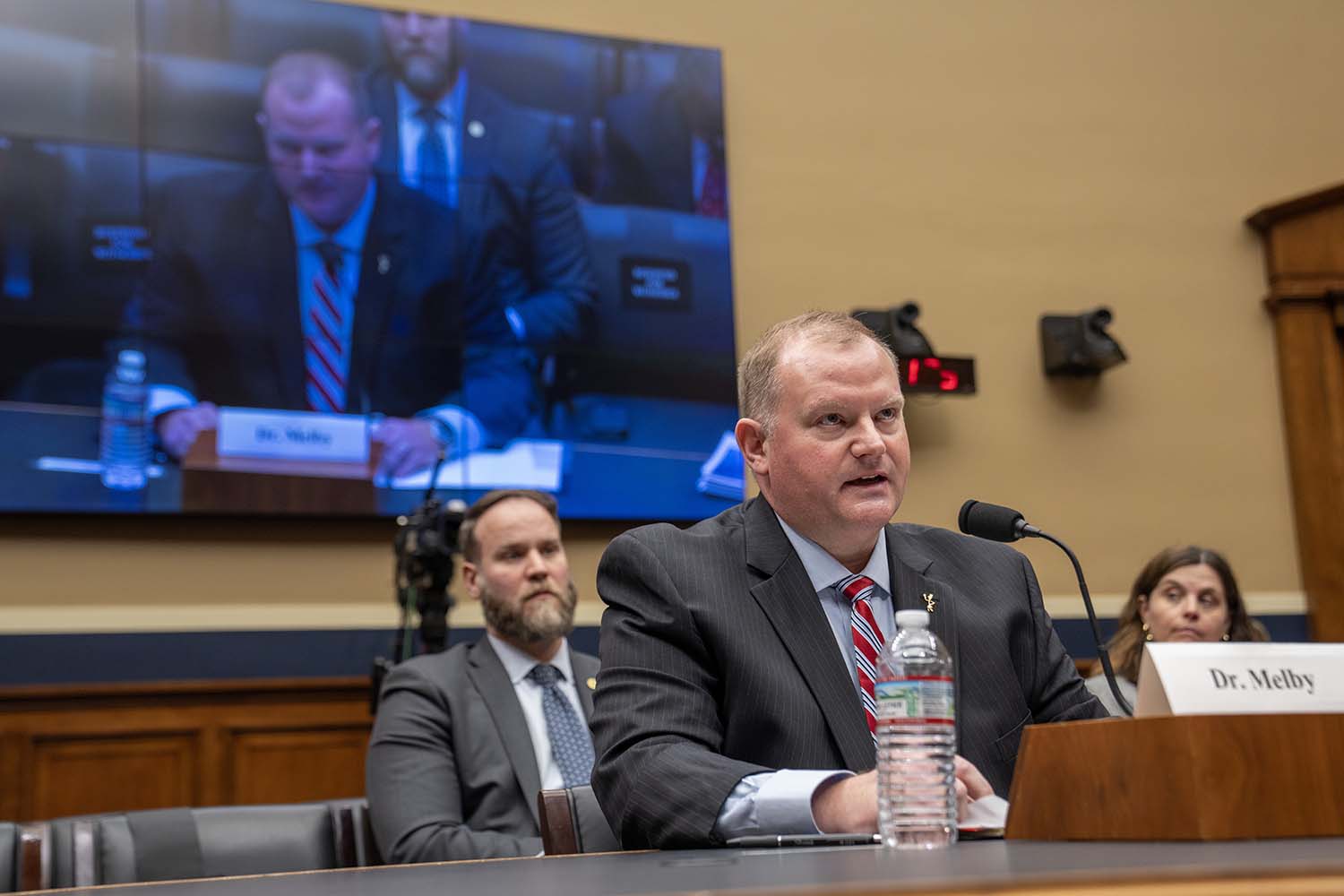
Dairyland Power Cooperative's CEO recently testified before Congress urging renewal of a Department of Energy cybersecurity program that provides rural utilities with threat intelligence, vulnerability assessments, and incident response support. The program, run through DOE's Cybersecurity, Energy Security, and Emergency Response (CESER) office, has been a lifeline for cooperatives that can't afford a dedicated security operations center. According to the National Rural Electric Cooperative Association, co-ops serve 42 million Americans across 56% of the U.S. landmass — but most operate on margins so thin that a six-figure SIEM deployment is out of the question.
Why Co-ops Are Uniquely Vulnerable
I've worked with enough small and mid-size organizations over 20 years to know what "limited IT budget" really means in practice. For rural utilities, the challenge is compounded by operational technology (OT) that was never designed to be internet-connected. SCADA systems controlling substations, automated reclosers on distribution lines, and smart meter infrastructure — all of these now have network interfaces, and many run on legacy protocols like Modbus or DNP3 that have zero built-in authentication.
The attack surface is massive. A 2024 GAO report found that the U.S. electric grid's distribution systems are increasingly targeted, with over 60 documented cyber incidents against utilities in a single year. Co-ops, unlike investor-owned utilities, typically lack dedicated cybersecurity staff. They're running the same critical infrastructure with a fraction of the resources.
What a Real-World Co-op Security Stack Looks Like
I helped a regional utility cooperative in central Wisconsin evaluate their security posture last year. Here's what we found actually works within a constrained budget:
- Network segmentation — separating IT and OT networks using pfSense or Fortinet firewalls with strict inter-VLAN rules. This alone blocked lateral movement from a phishing compromise to their SCADA environment.
- Microsoft Sentinel — as a cloud-native SIEM, it eliminated the need for on-prem log infrastructure. With the right KQL queries and playbooks, a two-person team can monitor alerts across both IT endpoints and OT network telemetry.
- Dragos Community Edition — free OT threat detection specifically built for industrial control systems. It gave them visibility into DNP3 traffic anomalies they had zero insight into before.
- CIS Controls v8 — rather than chasing full NIST 800-82 compliance (which is written for organizations with dedicated security teams), we mapped their priorities to the first six CIS Controls: asset inventory, software inventory, data protection, secure configuration, account management, and access control.
Total annual cost was under $40,000 — less than a single full-time security analyst's salary. It's not perfect, but it moved them from "hoping nothing happens" to "we'll know within minutes if something does."
The Federal Funding Gap
The DOE's CESER program fills a gap that no private vendor or managed service provider can fully replace. It shares classified threat intelligence downgraded for utility consumption, coordinates cross-sector exercises like Liberty Eclipse (a national grid-down simulation), and provides free vulnerability assessments through Idaho National Laboratory. When Congress lets authorization lapse, co-ops don't just lose funding — they lose access to threat data that commercial feeds don't carry.
Wisconsin has 24 electric cooperatives serving roughly 660,000 accounts. Many participate in Dairyland Power's generation and transmission network. A breach at one co-op doesn't stay contained — interconnected grid operations mean a compromised substation can cascade into load-shedding events across the region. We saw this dynamic play out in the 2021 Texas grid crisis, and cyber-triggered scenarios could be far harder to diagnose and recover from.
What Local IT Professionals Can Do Right Now
If you're in IT consulting or managed services here in Wausau or anywhere in rural Wisconsin, there's a concrete opportunity. Co-ops need partners who understand both IT and OT security, and most national MSSPs don't speak "distribution utility" fluently. Here's where to start:
- Get familiar with NERC CIP standards — even though most distribution co-ops fall below the bulk electric system threshold, the framework provides a solid security baseline that boards of directors understand.
- Offer tabletop exercises — run a two-hour ransomware scenario with the co-op's leadership. I've found that nothing moves budget approval faster than a GM realizing they have no documented plan for a billing system outage in January.
- Propose asset discovery first — tools like Nmap for IT networks and Claroty or Tenable.ot for industrial environments give co-ops their first real picture of what's connected. You can't protect what you can't see.
This Isn't Just About Utilities
The co-op cybersecurity conversation matters to every business connected to the grid — which is every business. A prolonged outage caused by a cyberattack doesn't just mean the lights go out. It means manufacturing lines stop, cold storage fails, point-of-sale systems go dark, and telehealth appointments drop. Rural communities have fewer redundancies and longer recovery times. Investing in grid cybersecurity is investing in the resilience of every sector that depends on reliable power.
If your organization — utility, manufacturer, or otherwise — needs help assessing where your security gaps are, I work with businesses across central Wisconsin on exactly these problems. Take a look at my services or reach out directly to start a conversation about what a practical, budget-realistic security plan looks like for your situation.
If you want to read more, check out the original article from America's Electric Cooperatives.

20+ years in IT systems, automation, and full-stack development. Learn more →