Image: DVIDS
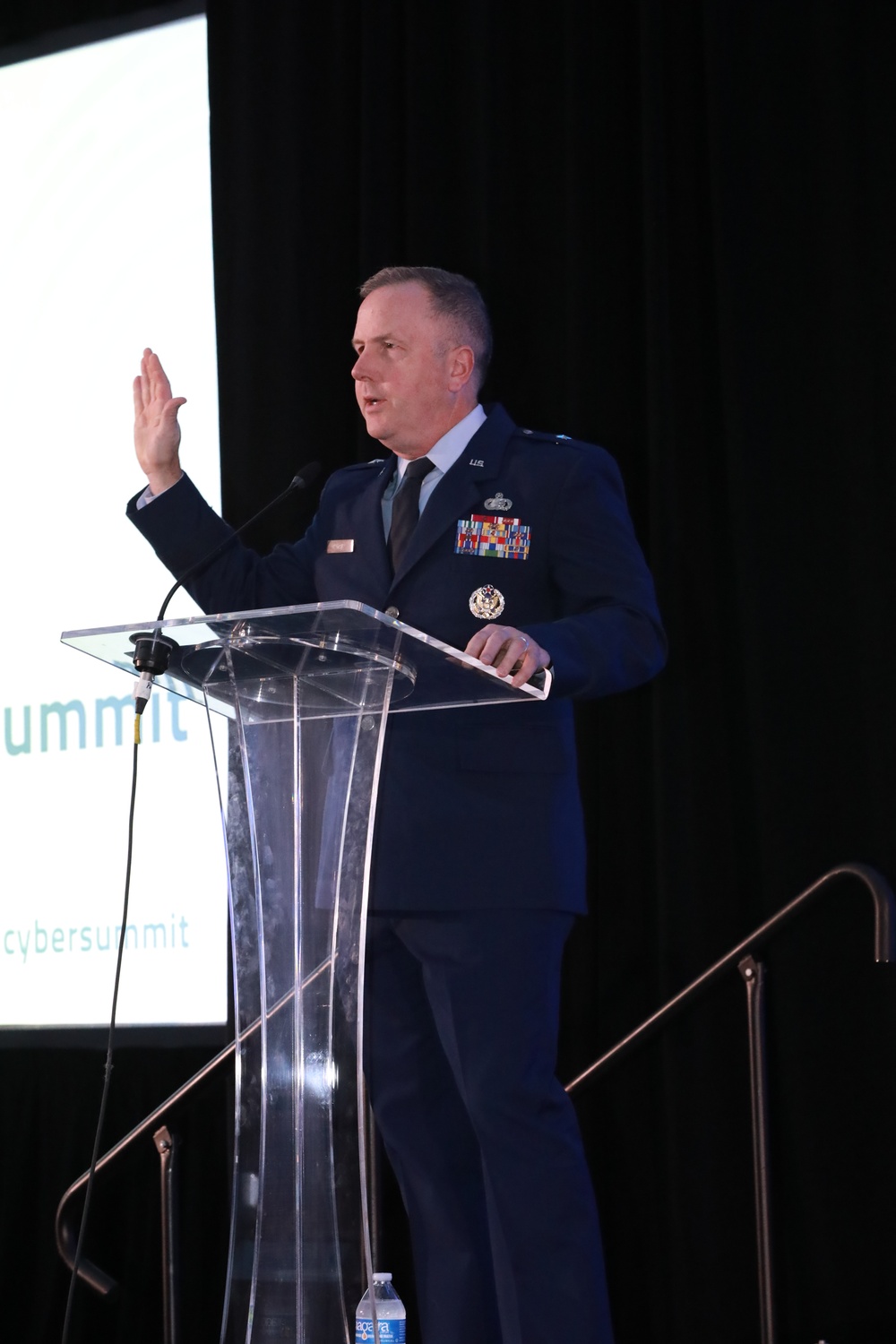
Did you know that according to a recent IBM report, the average cost of a data breach in the US reached an all-time high of $4.45 million in 2023? That’s a staggering number, and for small to medium-sized businesses, it can be an existential threat. This is why events like the recent 2024 Wisconsin Governor’s Cybersecurity Summit, co-hosted by the Department of Military Affairs, are so vital. While the summit brings together key stakeholders to discuss broad strategies, my focus, as always, is on what this means for businesses right here in Wisconsin, including our own Wausau community.
From Talk to Traction: Cybersecurity for Manufacturing
The summit's emphasis on collaboration is crucial, especially for industries like manufacturing, which are increasingly interconnected. The Industrial Internet of Things (IIoT) offers incredible efficiency gains through predictive maintenance and streamlined operations. Imagine a scenario where a compromised sensor in a Wausau manufacturing plant could disrupt an entire production line, leading to significant downtime and financial losses. It’s not just about protecting intellectual property anymore; it’s about safeguarding operational continuity. Tools like Microsoft Sentinel, when integrated with IoT security platforms, can provide real-time threat detection across these connected devices, offering a much-needed layer of visibility and control.
The Cloud: A Double-Edged Sword for Data Protection
For many Wisconsin businesses, migrating to the cloud, whether it’s Microsoft Azure or AWS, has been a game-changer for scalability and accessibility. However, it also introduces new attack vectors if not managed properly. The summit touched upon the importance of robust cloud security posture management (CSPM) tools. These aren't just theoretical concepts; they are practical solutions. Think about a cloud-based accounting system used by a local Wausau retailer. Without proper access controls and continuous monitoring, a misconfiguration could expose sensitive financial data. Implementing tools like Azure Security Center can help identify these vulnerabilities before they are exploited, ensuring that your cloud investments remain secure assets, not liabilities.
Building a Human Firewall: Beyond Technical Defenses
One of the most critical takeaways for me from discussions around cybersecurity, especially at the state level, is the persistent human element. Technical defenses are essential, but a well-informed workforce is your first and often best line of defense. Phishing attacks, for instance, are becoming more sophisticated, making it harder to spot malicious emails. Organizations that invest in ongoing security awareness training, using platforms that simulate phishing attacks and educate employees on recognizing social engineering tactics, are significantly reducing their risk. A mini case study: a Wisconsin-based credit union implemented a regular, interactive training program that led to a 40% decrease in successful phishing attempts reported by staff within six months. This isn't about scolding employees; it's about empowering them.
Collaboration and Information Sharing: A Wisconsin Advantage
The summit underscored that cybersecurity isn't a problem any single entity can solve alone. The Department of Military Affairs plays a pivotal role in fostering this statewide approach. For local businesses in Wausau and beyond, this means tapping into available resources and participating in threat intelligence sharing initiatives. Understanding the latest tactics being used against Wisconsin businesses, whether in agriculture, healthcare, or finance, provides valuable context for your own security planning. This collective intelligence helps us anticipate and prepare for threats, rather than just reacting to them. It’s about building a more resilient cybersecurity ecosystem for the entire state.
Next Steps: Practical Application for Your Business
The insights gained from the Wisconsin Governor’s Cybersecurity Summit are invaluable, but their true worth lies in their implementation. For businesses, this means moving beyond general awareness to concrete action. This could involve conducting a comprehensive risk assessment, updating your incident response plan, implementing multi-factor authentication across all critical systems, and ensuring your IT infrastructure, whether on-premises or in the cloud, is regularly patched and monitored. The goal is to build a layered defense that is both robust and adaptable. If you're looking to translate these important discussions into tangible improvements for your Wausau or Wisconsin business, I invite you to explore how our services can help fortify your IT security.
If you want to read more, check out the original article.

20+ years in IT systems, automation, and full-stack development. Learn more →