Image: PBS Wisconsin
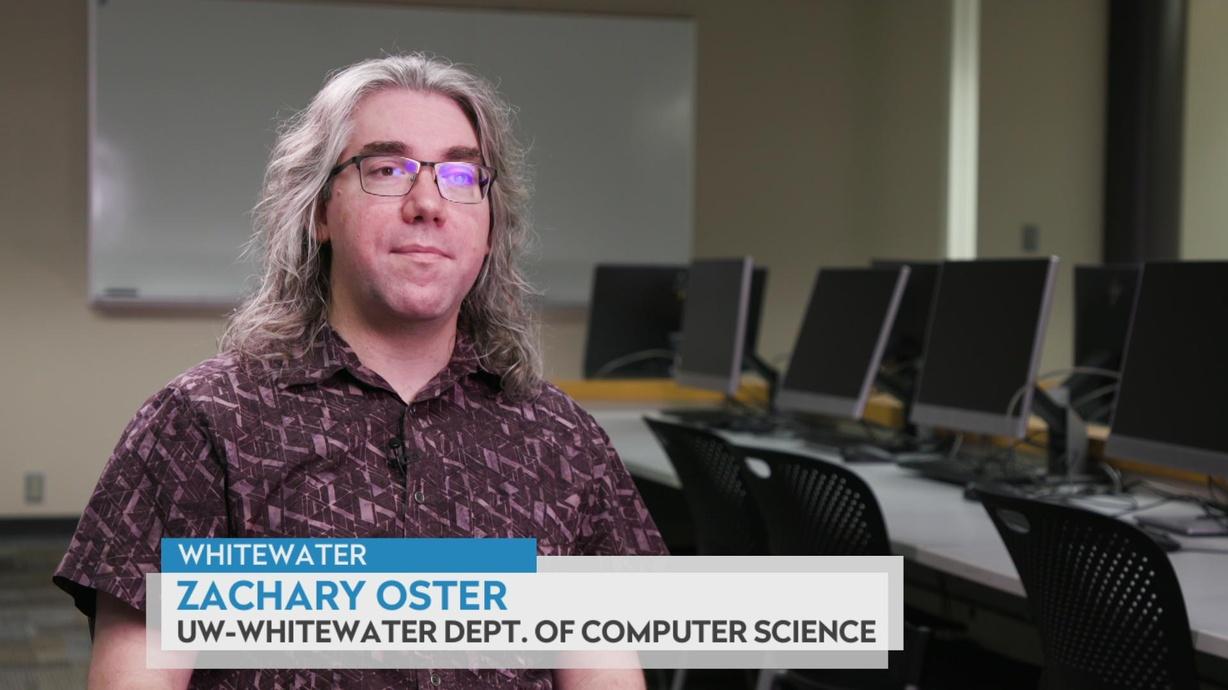
When you think about cybersecurity, your mind probably goes straight to large corporations or national defense. But what about the folks managing our local communities? The recent discussion on PBS Wisconsin featuring Zachary Oster highlights a critical blind spot: the cybersecurity challenges facing local governments. These entities, often operating with tighter budgets and less specialized IT staff than their private sector counterparts, are prime targets for malicious actors.
The Shifting Threat Landscape for Municipalities
It's easy to assume that ransomware attacks and data breaches are the exclusive domain of big business. However, the reality is that attackers are casting a wider net. Local governments hold a treasure trove of sensitive data: citizen information, financial records, operational data for essential services like water and power, and much more. A successful breach can cripple essential services, erode public trust, and result in significant financial and reputational damage. For a town like Wausau, the impact of a cyberattack on its public services could be devastating.
What's particularly concerning is the sophistication of these attacks. They aren't just random spray-and-pray operations anymore. Attackers are often researching vulnerabilities specific to the software and hardware used by municipalities, tailoring their exploits for maximum impact. This means that even seemingly robust security measures can be circumvented if they aren't regularly reviewed and updated.
Beyond the Basics: A Proactive Approach
Many local governments might have basic firewalls and antivirus software in place – the digital equivalent of locking your front door. But in today's threat landscape, that's often not enough. We need to think about cybersecurity as a multi-layered strategy, akin to building a secure perimeter for a physical facility.
This involves more than just technology; it's about people and processes too. Regular, comprehensive training for all staff, not just IT personnel, is paramount. Phishing simulations, for instance, can help employees recognize and report suspicious emails before they become a gateway for attackers. Implementing multi-factor authentication (MFA) across all critical systems, even for internal access, is another fundamental step that significantly reduces the risk of unauthorized entry. Think of it like requiring two keys to open a secure vault instead of just one.
Wausau's Opportunity: Embracing Modern IT Practices
For Wausau's local government, this presents an opportunity to get ahead of the curve. Instead of reacting to incidents, we can implement proactive measures. This might involve assessing current IT infrastructure for weaknesses, perhaps by using tools like Microsoft Defender for Cloud to identify misconfigurations and security gaps in cloud environments. For on-premises systems, regular vulnerability scans using tools like Nessus can pinpoint exploitable weaknesses. Furthermore, adopting a robust backup and disaster recovery plan, regularly tested, is crucial. This ensures that even if the worst happens, essential services can be restored quickly.
Consider a small, hypothetical scenario: A Wausau municipal department relies on an aging, homegrown database for managing property records. Without proper patching and access controls, this database becomes a soft target. An attacker gains access and either encrypts the data (ransomware) or exfiltrates it. The resulting downtime and cost to restore or reconstruct the data could be immense. A proactive approach would involve migrating this data to a more secure, managed database solution, perhaps something leveraging Azure SQL Database, with strict access controls and regular, automated backups.
The Human Element: The Strongest Link or Weakest Chain?
As Zachary Oster's insights suggest, the human element is often the most vulnerable part of any IT system. Employees are the first line of defense, but they can also be the easiest entry point for attackers. This isn't about blaming individuals; it's about recognizing that cybersecurity is a shared responsibility.
Implementing a strong security awareness training program that goes beyond the annual compliance module is essential. This training should be ongoing, relevant, and practical. It should cover topics like secure password practices, recognizing social engineering tactics, and understanding the importance of reporting suspicious activity. Tools like KnowBe4 can provide engaging training modules and phishing simulations to reinforce these concepts. When every employee understands their role in maintaining security, the entire organization becomes more resilient.
Strategic Investments for Long-Term Security
Investing in cybersecurity isn't just an IT expense; it's a strategic investment in the continuity of government services and the trust of the citizens. For local governments in Wisconsin and beyond, understanding these evolving threats and implementing robust, layered security measures is no longer optional. It’s a fundamental requirement for responsible governance in the digital age. By adopting a proactive, people-centric approach, Wausau can build a more secure future for its residents.
If your organization, whether it's a local government entity or a Wausau business, is looking to strengthen its IT defenses and navigate the complex world of cybersecurity, my team and I are here to help. We offer tailored solutions designed to protect your critical assets and ensure operational continuity.
If you want to read more, check out the original article.

20+ years in IT systems, automation, and full-stack development. Learn more →