Image: PBS Wisconsin
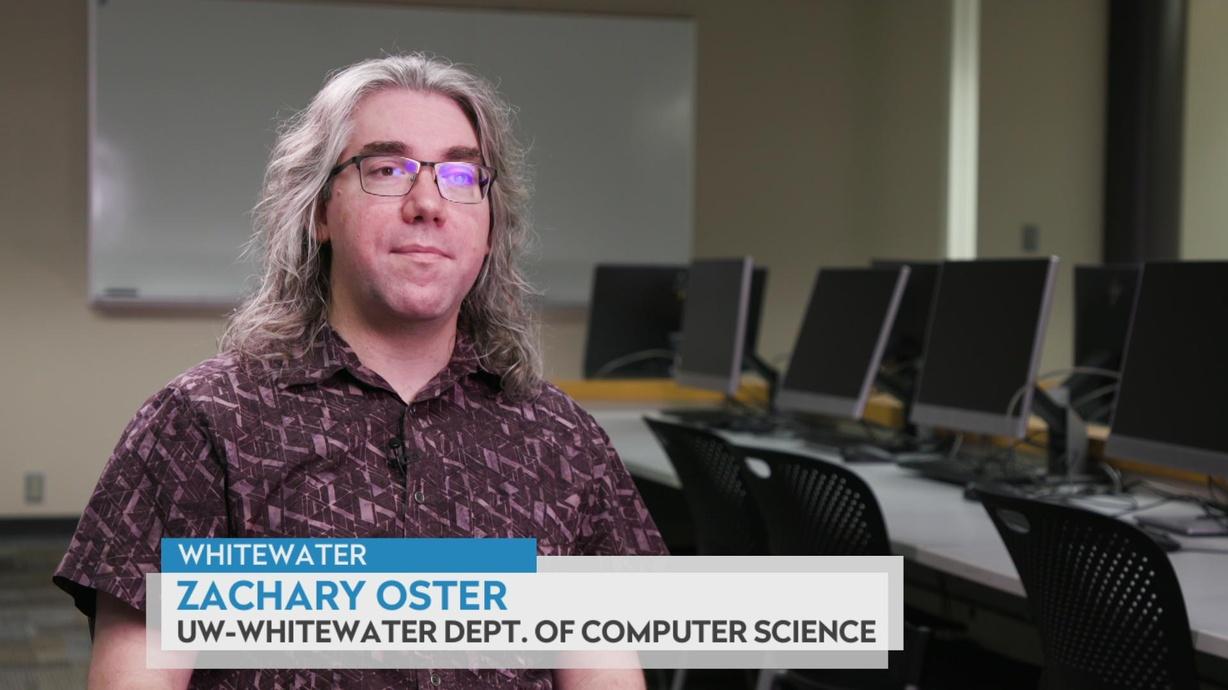
The news about Zachary Oster discussing cybersecurity issues for local governments on PBS Wisconsin struck a chord with me. It's not just about keeping the bad guys out with a firewall; it's about building resilience from the ground up, especially for organizations that hold sensitive constituent data and provide essential services. For us here in Wausau and across Wisconsin, understanding and mitigating these risks requires a forward-thinking approach to IT development and security.
The Shifting Threat Landscape
Cyberattacks on local governments are becoming more sophisticated and frequent. Ransomware attacks, in particular, can cripple essential services, costing municipalities millions in recovery and lost operational time. What's often overlooked is that these aren't just technical problems; they're deeply intertwined with development practices and data management. A poorly designed application, a lack of proper data segregation, or insufficient access controls can become the entry point for attackers, regardless of how robust the perimeter defenses are.
Proactive Development as a First Line of Defense
When I talk about proactive development, I mean integrating security considerations from the very inception of any IT project. This is often referred to as 'security by design' or 'shift-left security'. For Wausau's local government agencies, this could involve anything from custom-built citizen portal applications to internal record-keeping systems. Instead of trying to bolt security on later, we need to ensure that developers are building with security best practices in mind.
This includes implementing secure coding standards, conducting regular code reviews, and performing vulnerability assessments throughout the development lifecycle. Think of it like building a house: you wouldn't finish the structure and then decide to add load-bearing walls. Security needs to be part of the architectural blueprint. Tools like static application security testing (SAST) and dynamic application security testing (DAST) can be invaluable here, catching potential flaws early.
Beyond the Firewall: Data Governance and Access Control
The article implicitly touches on the value of the data local governments hold – citizen information, tax records, public works data. Protecting this data is paramount. This extends beyond just encryption at rest and in transit. It involves robust data governance policies and granular access controls. We need to ask: who truly needs access to what data, and why?
For instance, a Wausau city department might have a wealth of historical property data. While essential for planning, not every employee needs unrestricted access to every record. Implementing a principle of least privilege, where users are only granted the minimum permissions necessary to perform their job functions, is crucial. This can be managed through identity and access management (IAM) solutions, potentially leveraging Azure Active Directory (now Microsoft Entra ID) for centralized control and multi-factor authentication (MFA) as a baseline for all privileged access. This significantly reduces the attack surface if one account is compromised.
Real-World Impact: A Mini Case Study in Compliance
Consider a scenario where a Wisconsin municipality is developing a new online portal for property tax payments. Without proper security in the development phase, this portal could be vulnerable to SQL injection attacks or cross-site scripting (XSS). An attacker could potentially access sensitive financial information of residents or even alter payment records. By adopting secure development practices, including input validation using frameworks like ASP.NET Core's built-in validation or a carefully configured Node.js application, and ensuring proper session management, the risk is dramatically reduced. The payment gateway integration, perhaps using a PCI-compliant service like Stripe API, also needs to be thoroughly vetted for security vulnerabilities from the outset.
Investing in Skillsets and Continuous Improvement
The reality is that many local governments operate with lean IT teams. Keeping up with the ever-evolving threat landscape and the nuances of secure development is a challenge. This is where strategic investment in training and development for existing IT staff, or partnering with experienced IT consulting firms, becomes essential. For us in Wausau, this means fostering an environment where continuous learning is not just encouraged but expected. Understanding cloud security best practices, like those offered by Microsoft Azure or Amazon Web Services (AWS), and how to securely deploy applications within these environments, is now a fundamental skill.
The insights from Zachary Oster underscore a critical need: local governments must view cybersecurity not as a reactive measure, but as an integral part of their IT strategy and development lifecycle. By prioritizing secure development, robust data governance, and continuous skill enhancement, municipalities across Wisconsin can build a more resilient and trustworthy digital future for their communities.
At my firm, we help businesses and organizations navigate these complex IT challenges, ensuring their digital infrastructure is both innovative and secure. Whether you're a small business owner in Wausau or a municipal leader, I encourage you to explore how a proactive IT strategy can safeguard your operations. You can learn more about our services here or get in touch via our contact page.

20+ years in IT systems, automation, and full-stack development. Learn more →