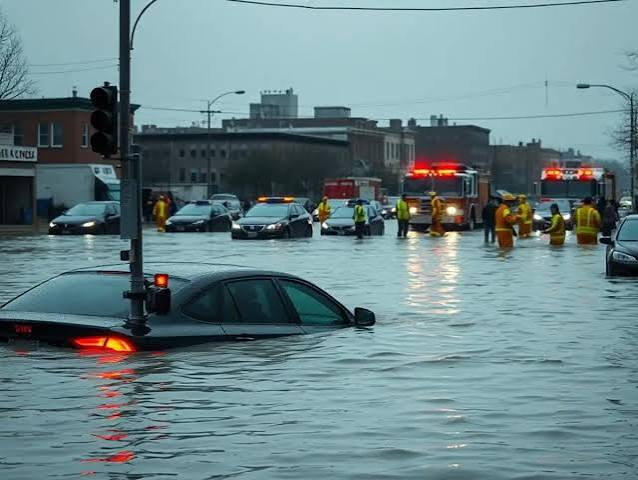
Image: International Supermarket News
When the Wisconsin River swelled last month, it wasn't just roads and basements feeling the pressure. For many Wausau businesses, those rising waters also threatened to drown their carefully planned supply routes and inventory schedules. If you're running a 40-person retail operation, a food distributor, or even a local hardware store right here in central Wisconsin, a closed highway isn't just an inconvenience – it can mean spoilage, empty shelves, and frustrated customers.
The Hidden Cost of Disrupted Routes in Wisconsin
It's easy to think of a flood as a physical problem: water where it shouldn't be. But for businesses, the real damage often lies in the invisible ripple effects through their supply chains. A local grocery store, for instance, might suddenly find its dairy delivery delayed for a crucial 24 hours. That's not just a missed sale; it's potential spoilage, a scramble to find an alternative supplier (likely at a higher cost), and a hit to customer trust when they find empty shelves. These aren't just big-city problems; they hit home directly in communities like Wausau, where local businesses are often deeply integrated into regional logistics networks.
My 20+ years in IT have shown me that while we can't stop the rain, we absolutely can build better systems to navigate its aftermath. The news article highlights how Wisconsin floods are a stark warning for America's food and retail supply chains. A 2021 study by Resilinc reported that natural disasters accounted for 43% of all supply chain disruptions worldwide. This isn't just about massive global events; it's about localized weather patterns impacting your ability to get goods from Point A to Point B, right here in our state.
Beyond the Pavement: Why Your Data Pipeline Matters
When a road closes, the physical path is blocked. But for your business, the real blockage is often a lack of immediate, actionable information. Do you know exactly which shipments are on that road? What inventory is sitting in which warehouse, and what's its shelf life? Without robust data visibility, you're essentially driving blind. This isn't just about having an inventory spreadsheet; it's about having that data connected, real-time, and integrated with other critical information like weather forecasts, traffic updates, and supplier lead times.
Consider a Wausau-based food distributor. Before a modern IT setup, a flood might mean manual phone calls to drivers, faxes to suppliers, and a frantic search through disparate spreadsheets. With a consolidated data strategy, they could instantly pull up impacted routes on a dashboard, cross-reference inventory levels at their different distribution centers, and even forecast which products are at highest risk of spoilage. This is where the power of a well-architected data pipeline truly shines, turning chaos into clarity.
Seeing Ahead: Leveraging Modern Data Platforms
Achieving this level of insight requires moving beyond siloed systems. For many businesses I work with, this starts with centralizing data. Platforms like Microsoft Azure Data Lake or even a well-configured SQL Server database can serve as the backbone for consolidating information from your ERP (Enterprise Resource Planning) system, WMS (Warehouse Management System), and even external logistics partners. Once your data lives in one accessible place, you can begin to visualize it effectively.
Tools like Microsoft Power BI or Tableau become invaluable here. They allow you to build interactive dashboards that display key metrics in real-time: truck locations, inventory levels by SKU and location, order fulfillment status, and even predictive analytics based on historical data and current weather advisories. Imagine a dashboard showing which Wausau grocery stores are most vulnerable to a specific road closure based on their usual delivery routes and current stock. That's not speculation; that's data-driven decision making.
Actionable Insights: Tools for Real-time Supply Chain Agility
It's not enough to just see the data; you need to act on it. This is where automation and communication tools become critical. For instance, when a critical shipment is delayed due to a flood, an automated alert can be sent via Microsoft Teams to your logistics manager, sales team, and even directly to affected customers. This proactive communication builds trust and allows for immediate adjustments.
On the operational side, having integrated systems means you can quickly pivot. If your primary carrier can't deliver, can your WMS suggest alternative routes or even alternative carriers whose availability is also integrated into your system? Perhaps a local courier service can handle a smaller, urgent portion of the delivery. My MCSE and Azure certifications mean I'm constantly evaluating how cloud capabilities, like Azure Logic Apps, can automate these decision-making processes, triggering alternative plans based on pre-defined rules when disruption occurs.
Your Monday Morning IT Checklist for Supply Chain Readiness
So, what can you do this week to bolster your supply chain against the next unexpected disruption? Here are concrete first steps:
- Audit Your Data Sources: Map out every system that holds inventory, order, and logistics data. Identify where data is siloed and prioritize integration.
- Review Your Cloud Strategy: Is your critical supply chain data hosted in a robust, geo-redundant cloud environment like Microsoft Azure? On-premise servers are more vulnerable to local physical disasters.
- Pilot a Visibility Dashboard: Choose one critical product or route and build a simple Power BI dashboard to track its movement and inventory levels in near real-time. Start small to demonstrate value.
- Establish Communication Protocols: Define how your team communicates internally and externally when a supply chain disruption hits. Utilize platforms like Microsoft Teams for rapid, centralized information sharing.
- Identify Key Integration Points: Look for opportunities to connect your ERP, WMS, and even carrier APIs. For example, using an API to pull real-time tracking data from FedEx or UPS directly into your internal systems.
Building a More Adaptable Future
The Wisconsin floods are a powerful reminder that physical challenges have significant digital consequences. For Wausau businesses, proactively investing in data visibility and agile IT infrastructure isn't just about efficiency; it's about business continuity and competitive advantage. Being able to pivot quickly, communicate effectively, and maintain customer trust during disruptions is what will set you apart.
If you're looking to strengthen your supply chain’s IT backbone and transform data into actionable insights, I’m here to help. My experience in central Wisconsin has given me a unique perspective on the challenges local businesses face. Reach out to me at jon.lat/#contact or explore my services at jon.lat/services to discuss how we can build a more resilient future for your operations.
If you want to read more, check out the original article.

20+ years in IT systems, automation, and full-stack development. Learn more →