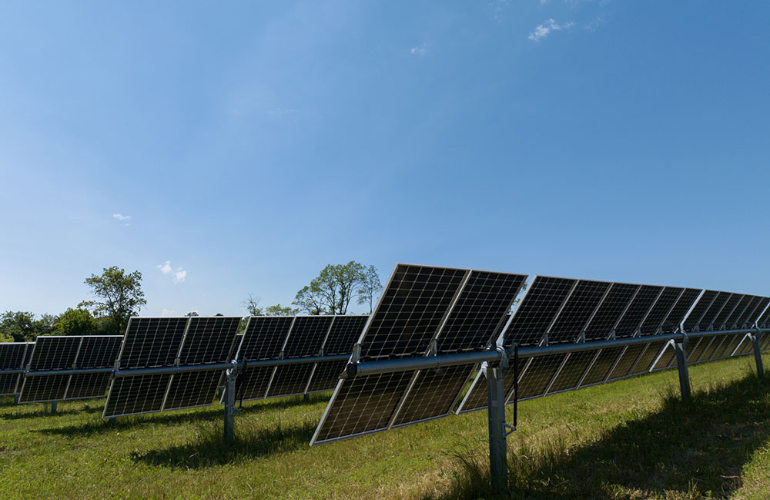
Image: Solar Power World
We Energies just broke ground on three major energy projects right here in Wisconsin, including two massive solar facilities and a battery storage system. That's a significant investment in our state's energy future, and it’s not just big news for the power grid; it’s a critical development for every business owner in Wausau.
For a 40-person company in central Wisconsin, this isn't some distant utility news. These projects signal a more diversified, and potentially more dynamic, energy landscape. What this means for you, right now, is that the opportunity to optimize your energy consumption and reduce operational costs through smart data usage is about to get a whole lot clearer and more impactful. Your energy bill, historically a fixed overhead, is rapidly becoming a key area for actionable IT-driven savings.
The New Energy Landscape: Beyond the Grid
These new solar farms and battery storage solutions aren't just about generating power; they're about smarter power. More intermittent sources like solar, paired with storage, require a far more sophisticated grid management system. This system relies heavily on data—real-time information on generation, consumption, and storage capacity. For businesses, this translates into a potential goldmine of insights. We're moving towards a future where your utility provider knows more about how and when energy is used, and that data can be a powerful tool in your hands.
Consider the shift: instead of just receiving a bill based on total kWh, imagine understanding your peak demand charges down to the minute, or seeing how a specific piece of machinery impacts your overall consumption profile. This level of granularity, driven by a modernizing grid, provides an unprecedented opportunity to identify inefficiencies and make data-backed decisions that directly affect your bottom line.
Data: Your New Energy Currency
Just as you manage your financial data, inventory data, or customer data, energy consumption data is becoming an equally vital asset. The average commercial building in the U.S. wastes up to 30% of the energy it consumes, according to the U.S. Environmental Protection Agency's ENERGY STAR program (2012). While that statistic is a decade old, the underlying problem persists, representing a huge potential for savings through better management.
Let's take a Wausau-based light manufacturing plant as an example. They might have several CNC machines, large HVAC units, and a significant lighting load. Historically, they'd get a monthly bill and perhaps notice a spike, but pinpointing the cause was guesswork. With modern IT, this changes. By installing IoT sensors on critical machinery and integrating them with an Azure IoT Hub, the plant can collect real-time data on individual machine energy draw. This raw data can then be pushed to a visualization tool like Microsoft Power BI. Suddenly, they see that Machine A consistently has a high idle power draw overnight, or that their HVAC system is running inefficiently during off-peak hours. This isn't just theory; it's a direct pathway to operational efficiency and cost reduction.
Concrete Steps for Your Business on Monday Morning
So, with these Wisconsin energy projects underway, what can you, as a Wausau business owner, do starting this week? You don't need to wait for the projects to come online to start benefiting from smarter energy data.
- Review Your Current Energy Usage: Get granular. Can you access interval data from We Energies? Many modern meters provide this. Look for patterns, especially peak demand charges.
- Identify Key Consumption Points: Walk through your facility. What are your biggest energy users? HVAC, large machinery, server rooms? These are your targets for monitoring.
- Explore Smart Devices & Sensors: For critical equipment, consider implementing smart power strips or simple IoT current clamp sensors. These are often inexpensive and provide valuable data without major infrastructure changes.
- Start a Basic Data Log: Even if you begin with manual readings or exporting basic data from existing building management systems (BMS), just starting to track and visualize your energy usage in a simple spreadsheet or a Power BI dashboard can uncover immediate insights.
- Consult an IT Professional: This is where I come in. Integrating these disparate data sources, setting up secure IoT communication, and building actionable dashboards isn't always straightforward. My team can help you design a system that captures, analyzes, and presents your energy data in a way that makes sense for your specific operations.
The Future is Connected and Efficient
The groundbreaking of these new energy projects isn't just about more renewable energy; it's about a more intelligent energy future for Wisconsin. This intelligence relies heavily on data – how it's collected, analyzed, and used. Businesses that embrace this shift will be better positioned to control costs, improve efficiency, and even contribute to a more stable local grid. It's about turning kilowatts into actionable insights.
Understanding and leveraging your energy data is no longer a luxury for large corporations; it’s becoming a necessity for every forward-thinking Wausau business. If you're ready to explore how IT can help your company harness the power of energy data for efficiency and savings, I encourage you to reach out. We can discuss a tailored strategy to get you started. Visit my services page or contact me directly to schedule a conversation.
If you want to read more, check out the original article.

20+ years in IT systems, automation, and full-stack development. Learn more →