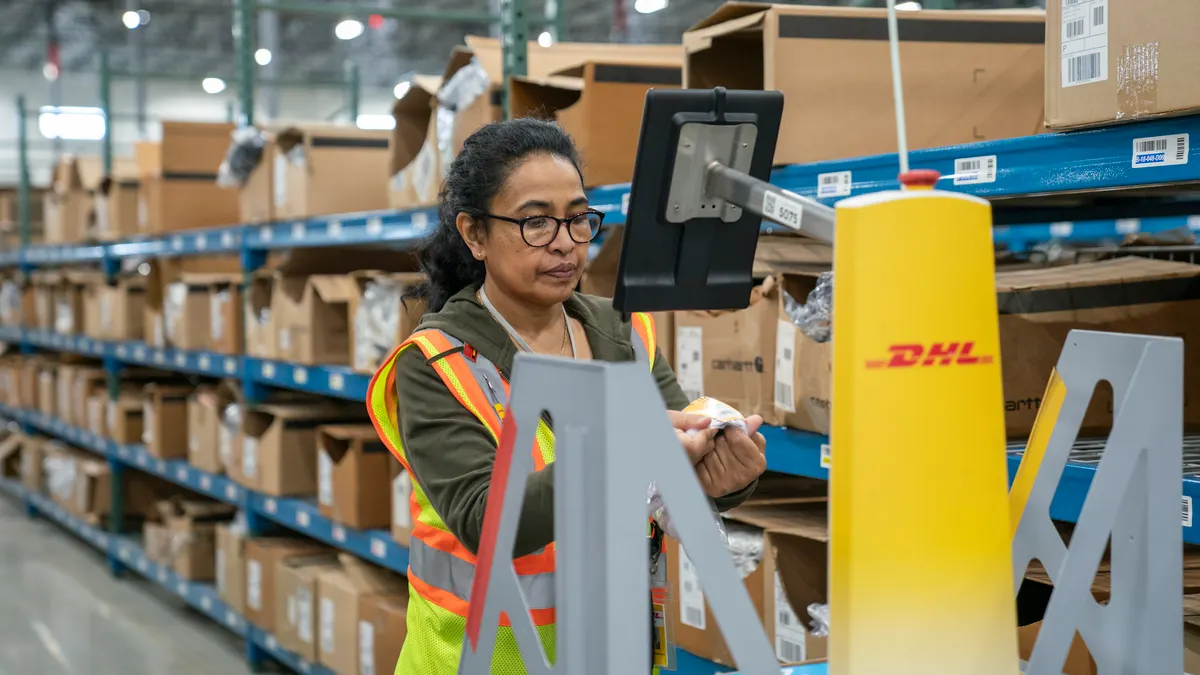
Image: Supply Chain Dive
When I first heard about DHL Supply Chain cutting headcount in Wisconsin, my initial thought wasn't just about the human impact – though that's always significant. My mind immediately went to the underlying data. In today's complex global economy, a company of DHL's caliber making such a move is a strong signal that something more fundamental might be at play, likely involving how they're managing and utilizing the vast amounts of data generated by their operations.
The Data Behind the Downturn
It's easy to point to economic headwinds or shifting market demands when layoffs occur. However, from my perspective with over 20 years in IT, these events often have a significant data component. In logistics, data is king. Every shipment, every warehouse movement, every delivery route optimization – it all generates a continuous stream of information. The question is, are these companies effectively collecting, analyzing, and acting upon that data? Or are they drowning in it?
The news from Supply Chain Dive about DHL's situation suggests a potential disconnect. If data isn't providing accurate forecasts, identifying inefficiencies, or flagging emerging risks in real-time, then strategic decisions, like workforce adjustments, might be reactive rather than proactive. For businesses right here in Wisconsin, understanding this connection is crucial for long-term survival and growth.
The Supply Chain Data Lifecycle: Where Things Go Wrong
A robust supply chain strategy relies heavily on a well-functioning data lifecycle. This typically involves:
- Collection: Gathering data from diverse sources like IoT sensors on trucks, warehouse management systems (WMS), enterprise resource planning (ERP) software, and even external market indicators.
- Processing & Cleansing: Ensuring the data is accurate, standardized, and free from errors. Dirty data leads to bad decisions.
- Analysis: Using tools and techniques to identify trends, anomalies, and insights. This is where business intelligence (BI) platforms and advanced analytics come into play.
- Action & Integration: Translating insights into actionable strategies and integrating them back into operational systems.
Consider a scenario where a company is experiencing increased demand, but their WMS, perhaps something like Manhattan Associates' WMS, isn't accurately reflecting inventory levels in real-time due to integration issues with their point-of-sale (POS) system. This could lead to over-ordering or under-ordering, impacting fulfillment times and potentially causing customer dissatisfaction. Without timely, accurate data flowing through these systems, operational blind spots emerge.
Actionable Insights: Building Data Resilience
The DHL situation, while specific to a large corporation, offers a generalizable lesson. For any business, especially those in Wisconsin looking to optimize their supply chain, focusing on data strategy is paramount. This isn't just about having data; it's about having the *right* data, managed effectively.
One area where I see significant opportunity is in predictive analytics. Imagine a manufacturing company using data from their IIoT sensors on production lines, combined with historical maintenance records and external weather data (which can impact raw material delivery), to predict potential equipment failures. By leveraging platforms like Microsoft Azure Machine Learning or even open-source libraries like TensorFlow, they can schedule maintenance *before* a breakdown occurs, preventing costly downtime and supply chain delays. This proactive approach, fueled by data, is far more effective than reacting to a crisis.
Another critical aspect is visibility. Many supply chain disruptions happen because stakeholders lack a clear, end-to-end view of where goods are and what potential bottlenecks exist. Implementing a centralized data repository, perhaps leveraging cloud-based data warehousing solutions like Snowflake or Amazon Redshift, can consolidate information from disparate systems, providing that unified perspective. This allows for quicker identification of issues and more agile responses. For instance, if a key shipping lane is suddenly disrupted, a company with this level of visibility can quickly reroute shipments using alternative carriers or modes of transport, minimizing impact.
Beyond the Tech: The Human Element of Data Strategy
It's important to remember that even the most sophisticated data systems are only as good as the people managing them and the processes they support. My role often involves bridging the gap between technology and business operations. This means ensuring that teams understand the data they're working with, that they have the skills to interpret it, and that there are clear protocols for how data-driven insights translate into tangible actions.
The recent layoffs in Wisconsin serve as a stark reminder that even established players face challenges. By prioritizing a comprehensive data strategy – from collection and cleansing to analysis and actionable integration – businesses can build the resilience needed to navigate future uncertainties. It's about making informed decisions, not just reacting to what happens.
The Path Forward for Wisconsin Businesses
Navigating the complexities of modern supply chains requires a sophisticated approach to data management and utilization. The lessons from larger organizations, even when seemingly negative, can offer invaluable insights. For businesses in Wausau and across Wisconsin, investing in a robust data strategy isn't just an IT expense; it's a strategic imperative for ensuring operational efficiency, mitigating risks, and ultimately, driving sustained success in a competitive landscape.
If you're looking to bolster your IT infrastructure and develop a more data-driven approach to your business operations, I'd be happy to discuss how my experience can help. Let's connect and explore the possibilities.
If you want to read more, check out the original article.

20+ years in IT systems, automation, and full-stack development. Learn more →