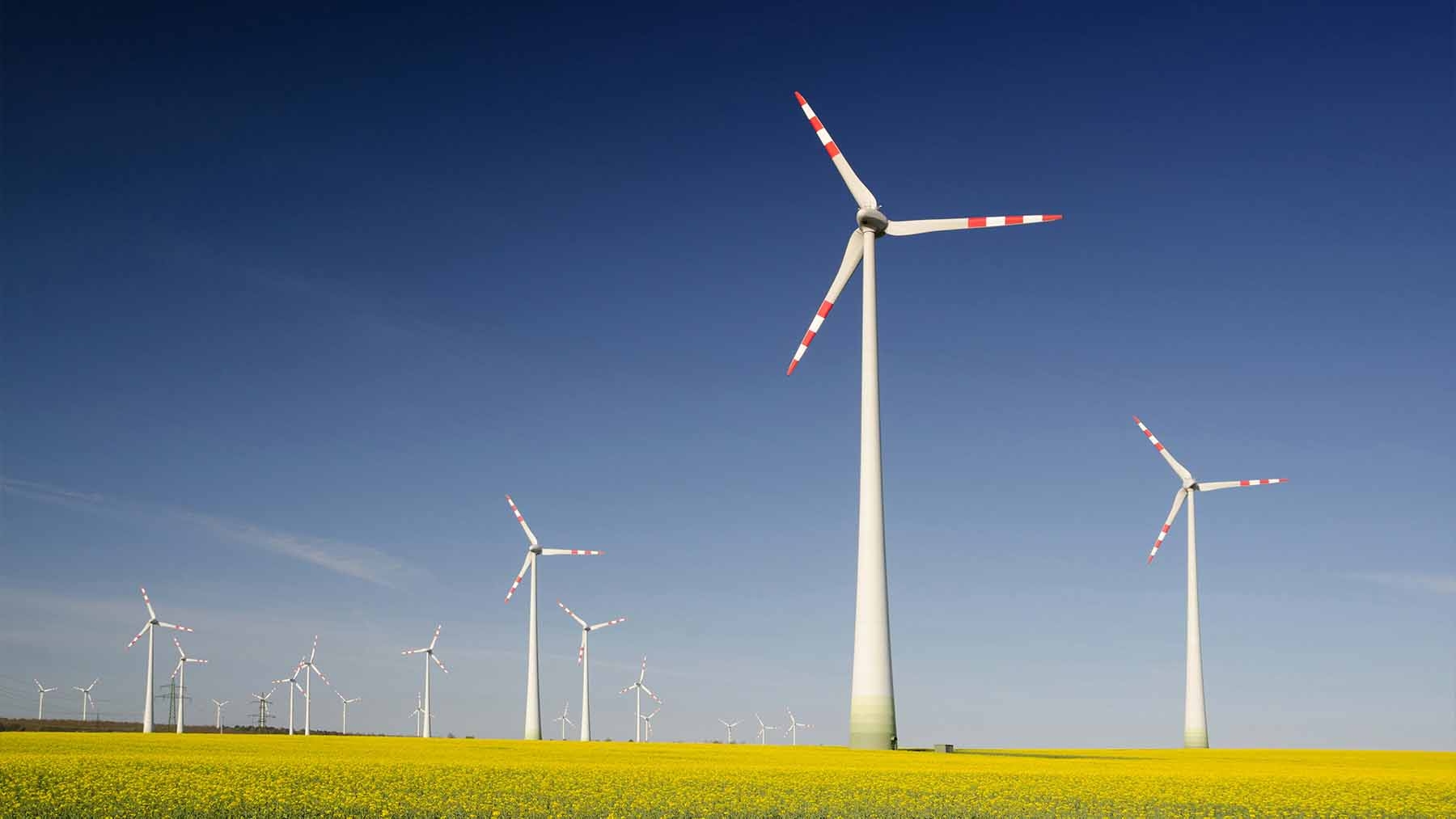
Image: Energies Media
We Energies just broke ground on a massive 110-megawatt wind farm right here in Wisconsin. That's enough to power roughly 50,000 homes annually. While it's fantastic news for green energy, for me, with over 20 years in IT, it immediately brings up a crucial question: What does this kind of significant infrastructure shift mean for the IT operations of a 40-person manufacturing firm or a small professional services office in central Wisconsin? It's not just about cleaner power; it's about the underlying technological shifts that impact your bottom line and operational reliability.
Beyond the Turbine: The IT Backbone of Modern Energy
A wind farm isn't just a collection of turbines turning in the breeze. It's a complex, interconnected system relying heavily on advanced IT and operational technology (OT) to function efficiently and safely. Think about it: each turbine has dozens, if not hundreds, of sensors monitoring everything from blade pitch and rotation speed to wind direction and gear box temperature. All this information needs to be collected, processed, and transmitted in real-time to a central control system. This is where Industrial IoT (IIoT) platforms and robust cloud infrastructure become indispensable.
For example, a wind farm might leverage an IoT platform like Azure IoT Hub or Google Cloud IoT Core to ingest massive streams of sensor data. This data then feeds into analytics engines that predict maintenance needs, optimize power generation, and identify potential issues before they become costly failures. This level of remote monitoring and predictive maintenance isn't just for power generators; it's a blueprint for any business with distributed assets or critical machinery, whether it's HVAC systems across multiple buildings or production lines in a Wausau factory. The principles of collecting, analyzing, and acting on real-time data for operational efficiency are universal.
Navigating the Evolving Grid: What Your Business Needs to Consider
As Wisconsin's energy mix becomes more diverse and decentralized, the grid itself becomes 'smarter.' This means new opportunities and new demands on local businesses. For a 40-person company, this isn't about running your own wind turbine, but about how you interact with and consume energy from this evolving grid. The increased supply of renewable energy can lead to more stable, and potentially lower, energy costs in the long run. However, it also means that the grid's characteristics – peak loads, demand response programs, and even potential microgrid initiatives – will influence your energy consumption strategies.
Consider the potential for your business to participate in demand response programs, where you temporarily reduce non-critical energy consumption during peak grid stress in exchange for financial incentives. This requires intelligent energy management systems that can automate these adjustments based on real-time grid signals and your operational priorities. According to the U.S. Energy Information Administration (EIA), renewable energy sources generated about 21% of U.S. electricity in 2022, a trend that's clearly accelerating with projects like We Energies' new wind farm.
Real-World Impact: Smart Energy for a Wausau Manufacturer
Let's look at a hypothetical Wausau-based metal fabrication shop, 'Badger Steelworks,' that employs 40 people. Their machinery, from plasma cutters to welding robots, is incredibly power-intensive. With the grid evolving, Badger Steelworks chose to invest in smart energy IT. They installed smart meters and power monitoring units on their heaviest equipment, feeding real-time consumption data into a cloud-based dashboard built on Microsoft Power BI. This allowed them to visualize energy usage patterns by shift and by machine.
By integrating this with their production schedule, they identified significant energy waste during non-operational hours and discovered that certain older machines had much higher standby power draw. They then implemented automated shutdown sequences for idle equipment and upgraded to more energy-efficient models where justified. This proactive approach, driven by IT infrastructure and cloud analytics, didn't just save them money; it gave them granular control over a major operational cost. This wasn't about generating their own power, but intelligently managing their consumption in response to what the grid could offer.
Your Monday Morning Game Plan: Actionable IT Steps
So, with Wisconsin's energy landscape shifting, what concrete IT steps can you take this coming Monday morning?
- Conduct an Energy IT Audit: Don't just look at utility bills. Get IT involved. Can your existing network infrastructure support smart sensors for HVAC, lighting, or critical machinery? What are the power demands of your server room? A professional IT audit can identify quick wins and long-term improvements.
- Review Backup Power Strategies: With a more dynamic grid, ensuring your critical systems have reliable backup power (UPS, generators) is more important than ever. Does your IT team regularly test these systems? Are your RTO/RPO objectives still met under various grid scenarios?
- Explore Smart Building Technologies: Implement smart thermostats like Nest or ecobee, or intelligent lighting controls. These seemingly small changes, when managed centrally via a cloud platform, can yield significant energy savings and integrate with future demand response programs.
- Investigate Cloud-Based Monitoring: Even without extensive IoT, cloud platforms can host dashboards for energy consumption data from existing smart meters. Tools like Power BI or Tableau can turn raw data into actionable insights about your building's energy footprint.
The transition to more renewable energy isn't just an environmental initiative; it's an economic and technological one that will reshape how businesses operate. Being proactive with your IT infrastructure to monitor, manage, and optimize your energy consumption will give your Wausau business a competitive edge.
I've spent my career helping businesses in Wisconsin navigate complex technological changes. If you're looking to understand how these energy shifts impact your specific IT needs, or how to implement smart energy solutions for your business, I'm here to help.
If you want to read more, check out the original article.
Ready to optimize your business IT for the future? Visit my services page or contact me directly to discuss how I can help your Wausau business thrive.
20+ years in IT systems, automation, and full-stack development. Learn more →