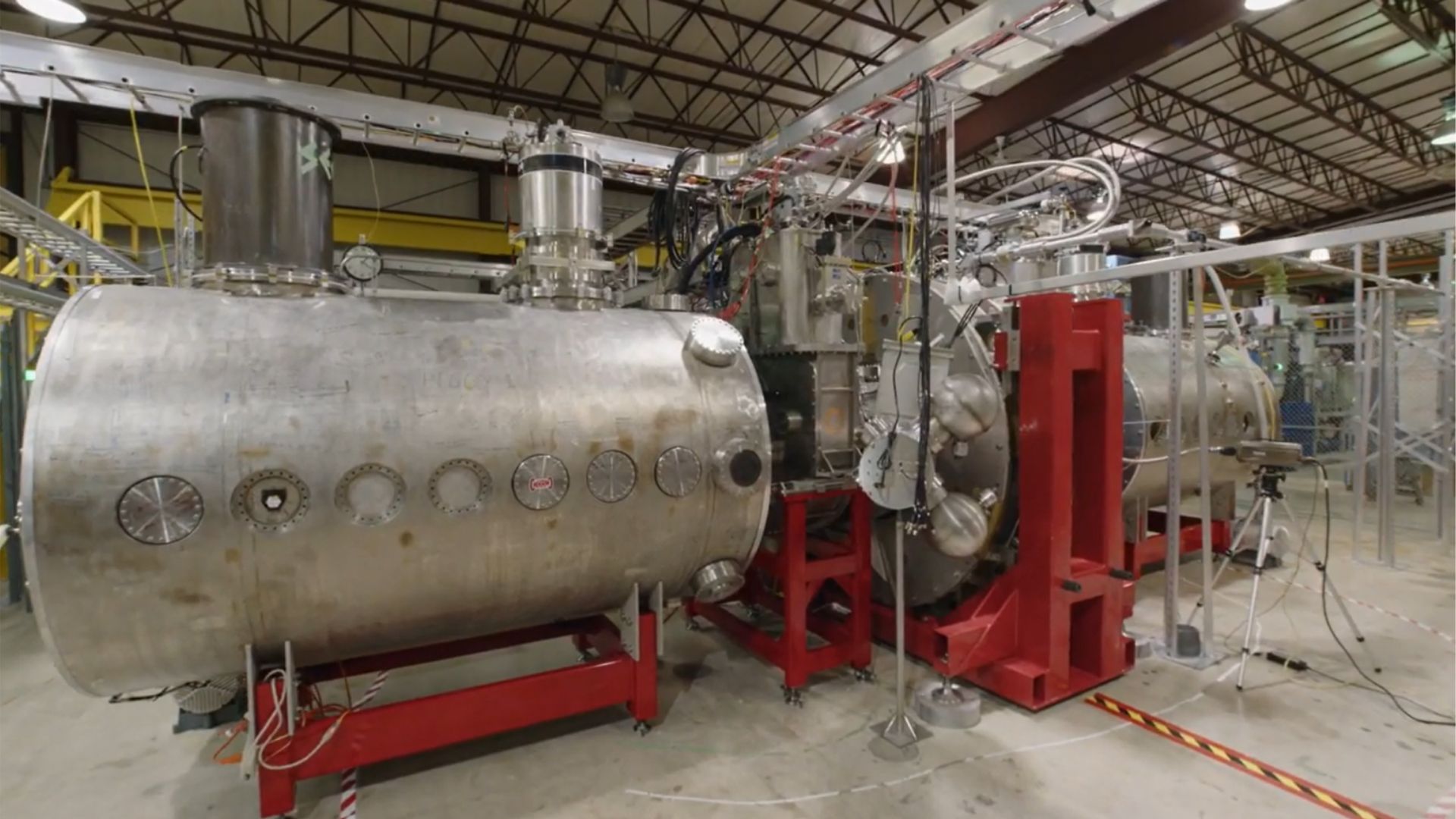
Image: Interesting Engineering
A former meatpacking plant in Stoughton, Wisconsin, is getting a remarkable upgrade. Instead of processing livestock, it's now slated to become a cutting-edge fusion reactor lab thanks to Realta Fusion's $55 million Series A funding. This isn't just a story about scientific ambition; it's a powerful illustration of the extreme demands placed on IT infrastructure when innovation meets industrial scale. For a 40-person company in central Wisconsin, this transformation might seem light-years away from your daily operations, but the underlying principles of robust data management, reliable connectivity, and operational efficiency are more relevant than ever.
The Unseen Engine: IT for Industrial Innovation
When you hear "fusion reactor," you probably imagine plasma and magnets, not servers and network cables. But the reality is that a project like Realta Fusion will generate petabytes of data from thousands of sensors, control systems, and diagnostic tools every single day. This isn't just about storing data; it's about real-time analysis, predictive modeling, and maintaining operational uptime for incredibly sensitive and complex equipment. While your Wausau business might not be trying to harness the power of the sun, you are dealing with critical operational data—whether it's inventory levels, customer transactions, or manufacturing line telemetry—that demands the same level of IT rigor to ensure accuracy, availability, and actionable insights.
Connecting the Physical and Digital Worlds
Think about the sheer complexity of a fusion reactor. It's bristling with sensors measuring temperature, pressure, plasma density, radiation levels, and magnetic field strengths—hundreds of thousands of data points per second. This data needs to be collected from Programmable Logic Controllers (PLCs) and distributed control systems (DCS) using industrial protocols like OPC UA or Modbus TCP/IP. This raw data then streams into an ingestion platform like Azure IoT Hub for secure, scalable intake. From there, it's processed by services like Azure Data Explorer for real-time analytics and anomaly detection, and stored in Azure Data Lake Storage Gen2 for long-term archival. Eventually, Azure Machine Learning models might analyze this historical data to predict component failure or optimize reaction parameters. The global market for Industrial IoT (IIoT), which underpins such data flows, is projected to reach $1.1 trillion by 2030, according to Grand View Research (2022), underscoring the universal trend towards connected operational data.
From Reactive to Predictive with Data
The core lesson here, even for a smaller enterprise, is the shift from reactive to predictive operations. When Realta Fusion processes sensor data in real-time, they're not just monitoring; they're anticipating. If a component shows signs of stress, they can address it before it leads to a costly shutdown. How does this translate to your business? Instead of waiting for a critical server to fail, proactive monitoring tools can alert you to potential issues. By analyzing historical data from your inventory system, you can predict demand fluctuations more accurately. The principle is the same: leverage data to make informed decisions and prevent problems before they escalate. It's about ensuring business continuity through intelligent IT strategy.
What Your Wausau Business Can Do on Monday Morning
Jonathan Nelson has seen firsthand how crucial robust IT is, regardless of industry or scale. Here are concrete steps you can take:
- Map Your Operational Data Flow: Use tools like Microsoft Visio or Lucidchart to visualize where your critical operational data originates, how it moves through your systems, and which departments or applications depend on it. Understanding these connections is the first step toward optimizing them.
- Evaluate Your Data Pipeline for Scalability: Even if you're not streaming gigabytes per second, assess if your current data collection and storage methods can grow with your business. Are you relying on outdated file shares or do you have a modern, scalable solution in place like Azure Event Hubs for high-volume data ingestion or a well-managed database?
- Implement Robust Data Governance & Backup: How is your critical operational data secured, backed up, and version-controlled? For critical business data, consider solutions like Azure Backup or Veeam. Regular testing of your backup recovery processes is non-negotiable.
- Investigate Hybrid Cloud for Edge Processing: For businesses with on-site machinery or complex data generation, explore how an edge device, such as Azure Stack HCI, could process data locally for real-time needs before sending aggregated or critical information to the cloud for deeper analysis and long-term storage. This balances local responsiveness with cloud scalability.
The journey from a meat plant to a fusion lab in Wisconsin showcases the relentless demand for sophisticated IT infrastructure. Whether you're building a fusion reactor or running a successful local business, robust IT isn't just an expense; it's the foundation for innovation, efficiency, and long-term success. My experience has shown me that proactive planning and strategic IT investments pay dividends, no matter your industry.
If you're looking to elevate your IT strategy and ensure your operational data serves your business goals, I'm here to help. Learn more about my IT consulting services or get in touch to discuss your specific needs.
If you want to read more, check out the original article.
20+ years in IT systems, automation, and full-stack development. Learn more →