Image: The Daily Reporter
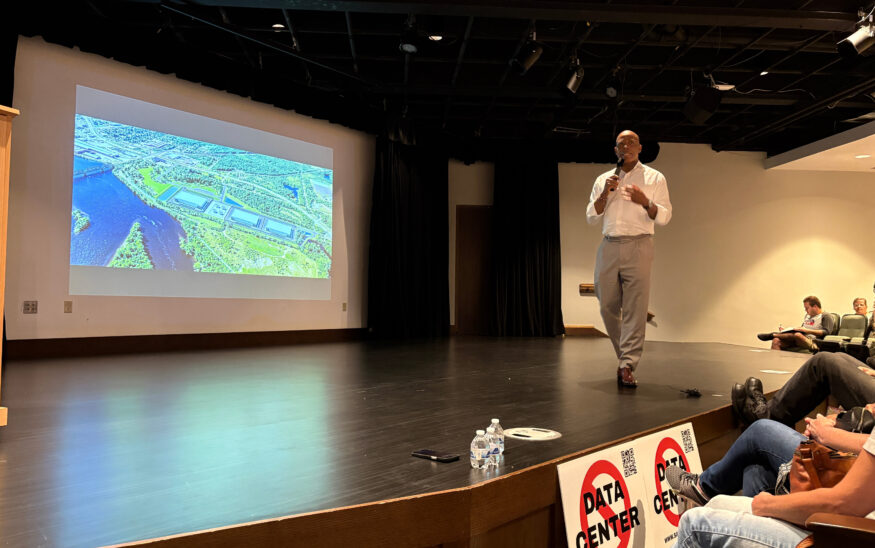
Recent news from The Daily Reporter highlights that a proposed data center in Wisconsin Rapids is facing significant local resistance. For many, this might seem like a distant issue, but if you're running a 40-person company in central Wisconsin, this kind of development, or lack thereof, directly affects your IT planning. It’s not just about a building; it’s about where your business-critical data lives, how quickly you can access it, and what your options are for secure, reliable operations right here in our state.
This news immediately makes me think about the choices local businesses have to make regarding their IT infrastructure. When a major infrastructure project like a data center hits roadblocks, it underscores the need for a robust and adaptable cloud strategy, rather than relying solely on the promise of local, purpose-built facilities that might not materialize or face delays.
The Lure of Local: Why Infrastructure Uncertainty Matters
There's a natural appeal to having your IT infrastructure close by. Businesses often prefer local data centers for perceived benefits like lower latency, easier physical access for maintenance, and a sense of control over where their sensitive data resides. For a Wausau-based architectural firm, for instance, dealing with large CAD files and project renders, the thought of having their data stored just down the road in Wisconsin Rapids might offer peace of mind and faster collaboration among project teams. They might imagine instantaneous access to their Autodesk Revit models, ensuring smooth workflows and quick client revisions.
However, the news from Wisconsin Rapids demonstrates that even well-intentioned local projects can face unforeseen hurdles. This uncertainty forces businesses to re-evaluate their dependence on local physical infrastructure. If a new, state-of-the-art data center isn't an option, or its timeline is unpredictable, where does that leave a company planning its next five years of growth? It means prioritizing solutions that offer flexibility and guaranteed uptime, regardless of specific local developments.
Cloud as a Cornerstone: Beyond Geographic Proximity
For many small to medium-sized businesses, the public cloud has become a strategic necessity, not just an option. Platforms like Microsoft Azure and Amazon Web Services (AWS) offer enterprise-grade infrastructure spread across globally distributed regions, providing redundancy, scalability, and robust service level agreements (SLAs) that are difficult for a single local data center to match.
Consider that worldwide end-user spending on public cloud services is projected to reach $679 billion in 2023, up from $563 billion in 2022, according to Gartner (2023). This growth isn't just for tech giants; it reflects mainstream adoption by businesses of all sizes seeking operational efficiency and agility. While a primary Azure region might be in Illinois or Iowa, the connectivity is so optimized that for most Wausau businesses, the difference in latency compared to a facility in Wisconsin Rapids would be negligible for day-to-day operations. Furthermore, hybrid cloud solutions, such as Azure Stack HCI, allow businesses to keep some data on-premises while leveraging cloud services for backup, disaster recovery, and burst capacity, offering the best of both worlds.
Building Your Strategy: Business Continuity & Data Sovereignty
Beyond simply where your data resides, the more critical questions revolve around its availability and protection. What happens if your primary data source goes down? How quickly can you recover? And are you meeting compliance regulations for data sovereignty? These considerations don't disappear just because a local data center is (or isn't) built.
A Wausau-based healthcare practice, for example, must adhere to strict HIPAA compliance for patient data. While a local data center might seem to offer more control, a well-architected cloud strategy using a platform like Microsoft Azure can provide specific compliance certifications, data residency options (e.g., ensuring data stays within the U.S.), and advanced security features like Azure Active Directory and Microsoft Sentinel. Tools like Veeam Backup & Replication, when integrated with cloud storage, provide reliable off-site backups and rapid recovery points, ensuring business continuity even if an entire physical site is compromised. It’s about building a resilient architecture, not just choosing a location.
Your Monday Morning Action Plan
Given the ongoing uncertainties around local infrastructure projects, here’s what I’d suggest any central Wisconsin business owner should consider this week:
- Review Your Current Data Location & Requirements: Understand exactly where your critical applications and data are hosted today. What are your latency needs? Are there specific regulatory requirements (like HIPAA or PCI) dictating data residency?
- Evaluate Your Cloud Readiness: Even if you're not fully in the cloud, assess which applications could benefit from a cloud migration. Could your email (Microsoft 365), CRM, or backup solution move to Azure or AWS to enhance availability and reduce your reliance on local hardware?
- Plan for Hybrid & Multi-Cloud: Don't put all your eggs in one basket. Explore hybrid models that leverage existing on-premises investments while strategically expanding into the cloud for specific services or disaster recovery. This offers both control and scalability.
- Prioritize Business Continuity: Regardless of location, ensure your data backup and disaster recovery plans are robust and regularly tested. Can you restore operations quickly from an off-site location if your primary site (or local infrastructure provider) becomes unavailable?
- Consult an Expert: Navigating these choices can be complex. An experienced IT consultant can help you define your specific needs, assess different solutions, and build a tailored IT infrastructure strategy that aligns with your business goals, offering peace of mind no matter what infrastructure projects are on the horizon.
The Wisconsin Rapids data center news is a reminder that while local infrastructure is valuable, a flexible, cloud-centric approach often provides the stability and scalability businesses truly need. My goal is to help Wausau businesses like yours navigate these complexities and build resilient, forward-thinking IT systems.
If you're looking to refine your IT infrastructure strategy or explore cloud solutions tailored for your business, I’m here to help. Check out my services or get in touch to discuss your specific needs.
If you want to read more, check out the original article.

20+ years in IT systems, automation, and full-stack development. Learn more →