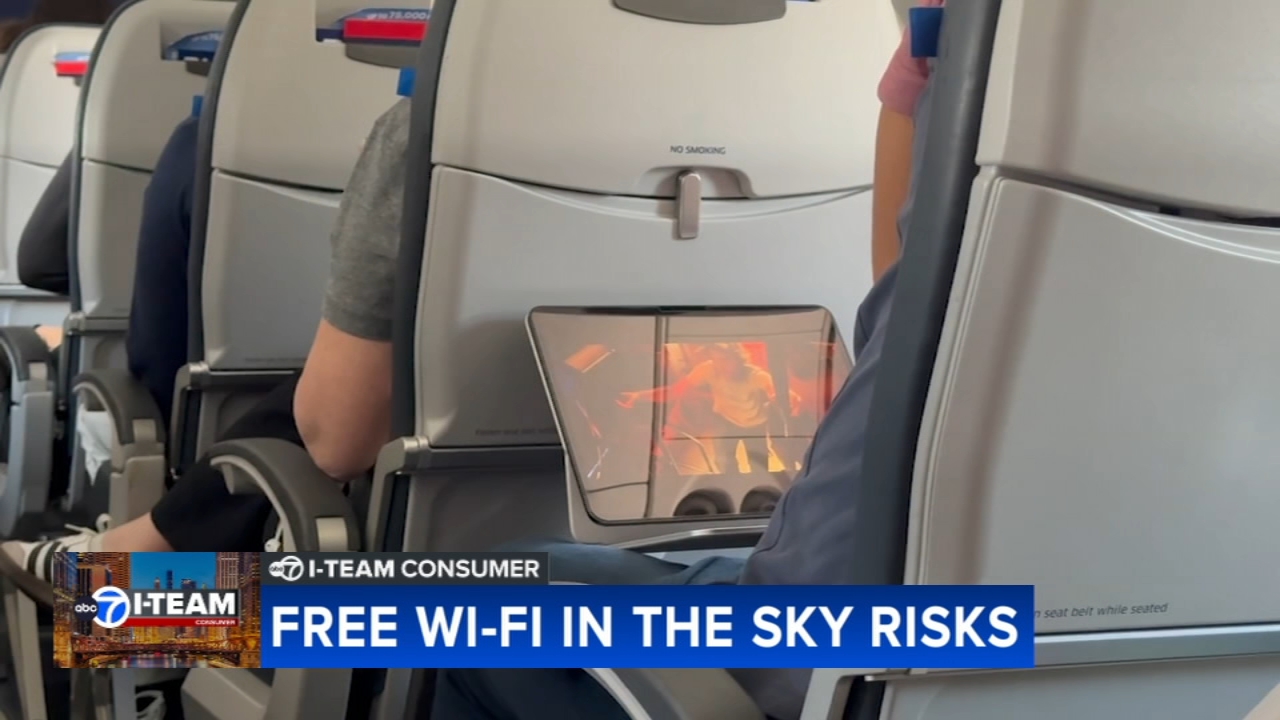
Image: ABC7 Chicago
The allure of free Wi-Fi on your flight home for Thanksgiving is undeniable. Imagine catching up on emails, scrolling through social media, or even getting a bit of work done while soaring above the clouds. It sounds convenient, doesn't it? But as an IT professional with over two decades of experience, I can tell you that this convenience often comes with a hidden cost: your data's security. Hackers are out there, actively looking for vulnerable networks, and airline Wi-Fi is a prime hunting ground, especially during busy travel periods.
The Hidden Dangers of Public Wi-Fi
It’s easy to underestimate the risks associated with free Wi-Fi. Think of it like leaving your front door unlocked in a busy public place – you wouldn't do it at home, so why do it in the sky? Hackers can set up rogue Wi-Fi hotspots that mimic legitimate airline networks, or they can use simple tools to intercept data traffic on shared networks. This means everything from your login credentials to sensitive personal information could be exposed. The ABC7 Chicago article highlights this very danger, reminding us that holiday travel, with its increased traffic, becomes an even more opportune time for cybercriminals.
Beyond Basic Antivirus: Embracing Cloud-Powered Security
Many people think a good antivirus program is enough. While important, it’s often a reactive measure. For truly robust protection, especially when relying on unsecured networks like airline Wi-Fi, we need to think proactively and leverage the power of the cloud. Services like those offered by Microsoft Azure, for example, provide advanced threat protection capabilities that can be accessed from anywhere. Consider Azure Security Center (now Microsoft Defender for Cloud) which offers unified security management and advanced threat protection across your hybrid cloud workloads. It’s like having a vigilant security guard monitoring your digital activity, even when you’re miles away from your Wausau home.
Practical Steps for Secure Connectivity
So, what can you actually do? First, always use a Virtual Private Network (VPN). A VPN encrypts your internet traffic, making it unreadable to anyone trying to snoop. Services like NordVPN or ExpressVPN create a secure tunnel between your device and their servers, essentially masking your online activity. Think of it as your personal, encrypted highway in the sky. Another crucial step is to disable automatic Wi-Fi connection on your devices. This prevents your laptop or phone from joining any available network without your explicit permission. For those who travel frequently for business or leisure, setting up your devices to prompt before connecting is a small but significant habit to cultivate.
A Mini Case Study: The Unsecured E-commerce Transaction
I had a client recently, a small business owner from the Green Bay area, who was using free airport Wi-Fi to manage some urgent e-commerce orders. They thought they were being careful, but they weren’t using a VPN for a particular transaction. Within hours, their credit card details were compromised, leading to fraudulent charges. This is a common scenario that highlights the immediate consequences of unsecured public Wi-Fi. Had they been using a reputable VPN service, like ProtonVPN or even a business-grade VPN managed through a cloud platform, that transaction would have been encrypted and their financial data protected. This underscores the need for vigilance, not just on planes, but in any public Wi-Fi environment.
The Role of Cloud-Based Endpoint Protection
Beyond VPNs, modern cloud platforms offer advanced endpoint protection that goes beyond traditional antivirus. Solutions like Microsoft Defender for Endpoint, integrated with Azure, provide capabilities for threat and vulnerability management, attack surface reduction, and automated investigation and remediation. This means even if a threat manages to breach the initial defenses, these cloud-powered tools can detect and neutralize it rapidly. For businesses in Wisconsin, this means your remote workforce, whether they’re on a plane or working from a local coffee shop, can have enterprise-grade security protecting their devices and company data. It’s about extending your IT security perimeter far beyond the physical office walls.
Don’t let the convenience of free Wi-Fi turn into a cybersecurity nightmare this holiday season. By implementing these cloud-enhanced strategies, you can enjoy your journey with greater peace of mind. If you're looking to bolster your business's cybersecurity defenses, especially with remote work and travel becoming increasingly common, I invite you to explore my services or reach out via contact to discuss how we can secure your digital future.
If you want to read more, check out the original article.

20+ years in IT systems, automation, and full-stack development. Learn more →