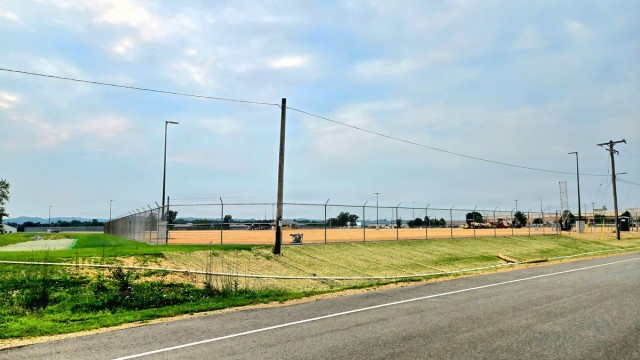
Image: army.mil
Fort McCoy is expanding, with a new parking area taking shape for its Maintenance Activity and Training Equipment Site (MATES). This isn't just a patch of asphalt; it's a critical piece of infrastructure designed to handle hundreds of vehicles and millions of dollars in specialized military equipment. My first thought seeing this news? The sheer logistical challenge involved. How do you effectively manage, track, and maintain that volume of high-value assets once they're all in place?
For a 40-person construction company in central Wisconsin, you might not be parking tanks, but the core problem is identical. You have a fleet of trucks, excavators, forklifts, and specialized tools. Misplaced equipment, unexpected breakdowns, or inefficient maintenance schedules can chew into profits faster than you can say 'diesel leak.' The lessons from a large-scale operation like Fort McCoy apply directly to your bottom line: intelligent IT automation isn't just about managing servers; it's about managing every physical asset that drives your business.
The Unseen Challenge Behind Fort McCoy's Expansion
Think about the IT implications of managing a massive, ever-changing inventory of equipment like Fort McCoy's. It's not just about knowing what you have, but where it is, who is using it, when it was last serviced, and when it's due for the next check-up. Without robust systems, this becomes a monumental, error-prone task. Manual tracking methods—spreadsheets, clipboards, or even just memory—quickly fall apart when you scale up. The opportunity costs of an asset sitting idle or, worse, being lost are significant, whether it’s a Humvee or a mini-excavator.
This isn't just about the military; it’s a universal challenge. Every business with physical assets faces a version of this. The difference between those who thrive and those who struggle often comes down to how effectively they leverage technology to automate these mundane, yet critical, tasks. It's about moving from reactive problem-solving to proactive, data-driven operational efficiency.
From Military MATES to Wausau Business Assets: The IT Parallel
The core principles of asset management that a facility like Fort McCoy must implement can be scaled and adapted for any business in Wausau, Wisconsin, no matter its size. When you think about it, a military base managing specialized equipment for readiness isn't so different from a local plumbing contractor managing their vans and tools, or a landscaping company overseeing their mowers and trailers. Both need to ensure their assets are operational, accounted for, and ready for deployment.
The solution lies in IT automation. This isn't just about software; it’s a strategic approach to integrate technologies that provide real-time visibility and control over your physical assets. By automating the tracking, maintenance scheduling, and usage monitoring of your equipment, you can significantly reduce downtime, extend asset lifespan, and optimize operational costs. It’s about leveraging the same kind of intelligent systems that keep complex military operations running smoothly, but tailored for your specific business needs.
Automating Your Asset Lifecycle: Tools and Technologies
So, what does this automation look like in practice? It starts with getting rid of manual processes. Instead of paper logs, imagine a system that automatically updates an asset's status. For example, by integrating GPS trackers into your vehicles or using QR codes/RFID tags on smaller equipment, you can create a dynamic inventory system. Solutions like Microsoft Azure IoT Hub can ingest data from countless sensors, providing a central platform for real-time asset location and diagnostics. This data can then feed into a Microsoft Dynamics 365 Field Service deployment, automatically scheduling preventative maintenance based on usage hours or mileage, rather than arbitrary calendar dates.
For fleet management specifically, platforms like Samsara or GPS Insight offer comprehensive solutions for vehicle tracking, driver behavior monitoring, and fuel usage optimization. For general asset management, particularly for IT equipment and facilities, a robust Computerized Maintenance Management System (CMMS) or Enterprise Asset Management (EAM) solution like Infor EAM or a customized ServiceNow instance can track everything from server racks to office furniture, linking assets to maintenance tickets and depreciation schedules. Visualizing this data in Microsoft Power BI dashboards gives you an immediate, actionable overview of your entire asset landscape.
The Real-World Impact: A Wausau Example
Consider a Wausau-based HVAC company with a fleet of 15 service vans and specialized diagnostic tools. Before automation, their lead technician spent hours each week manually tracking which tools were on which truck, scheduling oil changes based on rough estimates, and fielding calls about misplaced equipment. This led to wasted time, delayed service calls, and premature equipment wear.
By implementing a simple, integrated system, they transformed their operations. Each tool received a durable QR code linked to a cloud database. Vans were equipped with GPS trackers. Now, technicians scan tools on and off their trucks using a mobile app, providing real-time inventory. The GPS data feeds into a system that automatically flags vehicles for maintenance based on actual mileage. A Power BI dashboard shows instantly which tools are available, which vehicles are due for service, and even optimizes routes for technicians, reducing fuel costs and response times. This small investment in automation led to a 15% reduction in equipment downtime and a 10% saving on fuel and maintenance costs in the first year alone, according to their internal reports from 2023.
Your Monday Morning Checklist: Getting Started
If you're a business owner in Wisconsin looking to streamline your asset management, here’s what I’d recommend doing on Monday morning:
- Audit Your Assets: Start by getting a clear picture of every physical asset your business owns, from vehicles to specialized tools to IT hardware. Document its current state, age, and estimated value.
- Identify Pain Points: Where are you losing time or money with your current asset management? Is it lost equipment? Unexpected breakdowns? Inefficient maintenance scheduling? Pinpoint the biggest headaches.
- Research Simple Tracking Solutions: You don't need a military-grade system overnight. Look into accessible options like QR code-based inventory systems combined with a simple mobile app, or entry-level fleet management software if vehicles are your primary concern. Many are surprisingly affordable and scalable.
- Plan for Phased Implementation: Don't try to automate everything at once. Pick one area—say, vehicle maintenance or tracking high-value tools—and implement a solution there first. Learn, adjust, and then expand.
- Consider Expert Guidance: If this all sounds overwhelming, you don't have to go it alone. A local IT consultant (like myself) can help you assess your needs, recommend the right tools, and guide you through the implementation process, ensuring you get the most out of your automation investment.
The Bottom Line for Wisconsin Businesses
The development at Fort McCoy highlights a universal truth: effective operations hinge on efficient asset management. For Wausau businesses, this isn't just a military-specific lesson; it's a blueprint for maximizing your own operational efficiency and profitability. By embracing IT automation for your assets, you move beyond reactive fixes to proactive management, ensuring your equipment is always ready, accounted for, and performing at its peak. It's about working smarter, not harder, and securing your business's future in an increasingly competitive landscape.
If you're looking to bring this level of intelligent automation to your Wausau business, I'm here to help. From initial assessment to implementation and ongoing support, I can guide you through optimizing your asset and fleet management. Let’s talk about how my experience can benefit your operations.
If you want to read more, check out the original article.
20+ years in IT systems, automation, and full-stack development. Learn more →