Image: WEDC
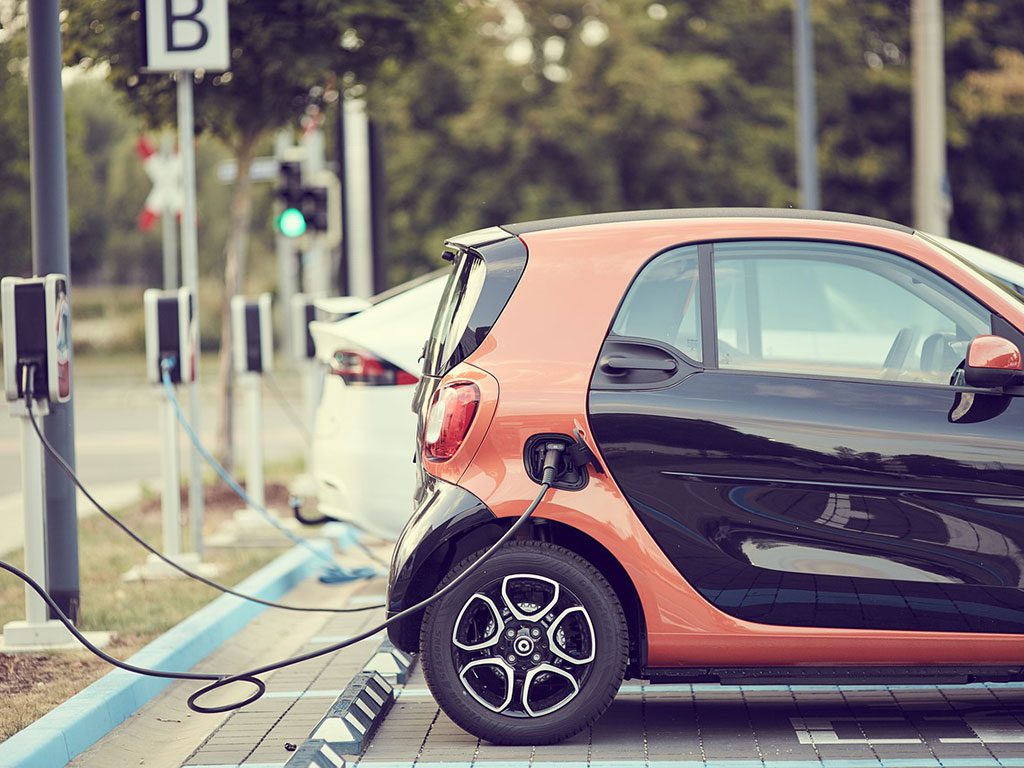
Did you know Wisconsin's manufacturing sector is on the cusp of a significant boom, thanks to the electric vehicle (EV) supply chain? A recent WEDC report highlights the massive potential, and I see firsthand how strategic investments here in Wisconsin, and even right here in Wausau, are going to drive this growth. But it's not just about investing; it's about *how* we invest. For me, the biggest differentiator, and frankly the most exciting opportunity, lies in strategic automation.
The EV Gold Rush and Wisconsin's Opportunity
The shift to electric vehicles isn't just a trend; it's a fundamental transformation of the automotive industry. This means a massive demand for new components, raw materials, and specialized manufacturing processes. The WEDC report clearly states that Wisconsin manufacturers are well-positioned to capture a significant portion of this expanding EV supply chain. Think batteries, power electronics, lightweight materials, and specialized wiring – all areas where our state has existing strengths and the potential for significant growth. This isn't just about traditional auto parts; it's about a whole new ecosystem being built, and we have a prime seat at the table.
Beyond the Basics: Why Automation is Critical
While the WEDC report focuses on strategic investments, what I'm keenly interested in is the underlying technology that will make these investments truly pay off. Simply having the capacity to produce EV components isn't enough. To compete globally, and to truly maximize our advantage, Wisconsin manufacturers need to embrace advanced automation. This isn't just about replacing human labor with robots; it's about creating smarter, more efficient, and more adaptable production lines. Think about the precision required for battery manufacturing or the complex assembly of power control units. These are tasks where automation excels, reducing errors, increasing throughput, and ensuring consistent quality – all vital for the high-stakes EV market.
Real-World Impact: Predictive Maintenance in Action
One area where automation is making a tangible difference is in predictive maintenance. Imagine a critical piece of machinery on your production line for EV components. Without proactive monitoring, a breakdown could halt production for days, costing thousands in lost revenue and missed deadlines. With IoT sensors feeding data into a cloud-based analytics platform, we can predict potential failures *before* they happen. For instance, a manufacturer might use sensors on a stamping press to monitor vibration patterns and motor temperature. This data can be fed into a platform like Microsoft Azure's IoT Hub, and then analyzed using Azure Machine Learning. If the vibration data starts showing a pattern indicative of bearing wear, an alert can be triggered, allowing maintenance crews to schedule a replacement during planned downtime, rather than during a costly emergency shutdown. This level of foresight is game-changing for the tight margins in manufacturing.
Cloud Integration: The Backbone of Modern Manufacturing
To truly leverage automation, especially for something as complex as a supply chain, robust cloud integration is non-negotiable. For manufacturers looking to scale up for EV production, a hybrid cloud strategy often makes the most sense. This allows for the secure and flexible storage of massive datasets generated by IoT devices and production systems, while also providing the processing power needed for advanced analytics and machine learning. Platforms like Amazon Web Services (AWS) or Microsoft Azure offer the scalability and services required to manage these complex workflows. Integrating systems using APIs, such as the Stripe API for payment processing if they're also selling direct-to-consumer, or custom APIs for inter-plant communication, ensures seamless data flow. This isn't just about having data; it's about making that data actionable in real-time across distributed operations.
Preparing Wausau for the EV Future
The opportunities for Wausau and Wisconsin manufacturers are immense, but they require a forward-thinking approach. Embracing automation, integrating robust cloud solutions, and investing in workforce training for these new technologies are key. My experience with IT consulting for businesses of all sizes, from small operations to larger enterprises, has shown me that the companies that thrive are those that proactively adopt these advancements. The EV supply chain presents a unique chance to not only grow but to redefine manufacturing excellence right here in our state.
If your Wausau or Wisconsin-based manufacturing business is looking to navigate the complexities of the EV supply chain and harness the power of automation and cloud technologies, I'm here to help. Let's discuss how strategic IT solutions can drive your success. Connect with me at /#contact or explore my services at /services.
If you want to read more, check out the original article.
20+ years in IT systems, automation, and full-stack development. Learn more →