Image: Wi-Fi NOW Global
Imagine a factory floor where every sensor, robot, and machine communicates instantaneously, feeding real-time data not just for monitoring, but for proactive, intelligent decision-making. This isn't science fiction; it's the imminent reality promised by the latest advancements in IoT technology, and it holds immense potential for businesses right here in Wisconsin.
The Bottleneck of Connectivity
For years, we've talked about the Industrial Internet of Things (IIoT) and its power to optimize operations. We've seen how automation can streamline processes, from robotic arms on an assembly line to automated inventory management systems. However, a persistent challenge has been the sheer volume and speed of data transfer required to truly unlock the potential of these connected devices. Traditional Wi-Fi, while improving, can still be a bottleneck for the ultra-low latency and massive bandwidth needed for sophisticated AI-driven insights in real-time manufacturing environments. Think about a high-speed production line where a tiny anomaly needs to be detected and corrected in milliseconds – a lag in data transmission could be costly.
Synaptics' Leap Forward: Wi-Fi 7 & AI-Native
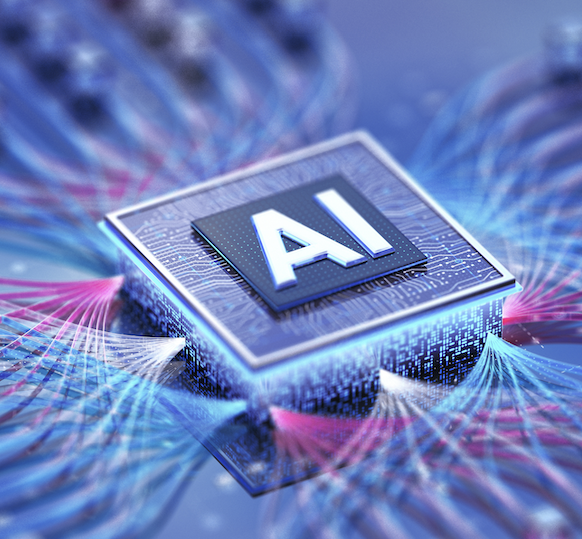
This is precisely why the recent news from Embedded World about Synaptics launching the world's first Wi-Fi 7 and AI-native chip for IoT is so significant. Wi-Fi 7 isn't just an incremental update; it's a generational leap. It promises significantly higher throughput – up to 46 Gbps, which is roughly 2.4 times faster than Wi-Fi 6E. More importantly for industrial settings, it offers drastically reduced latency and enhanced reliability, even in crowded, interference-prone environments. Coupled with the chip's AI-native design, this means devices can process AI algorithms directly at the edge, closer to the data source, reducing reliance on cloud processing and enabling faster, more autonomous operations.
Real-World Impact on Manufacturing Floors
Consider a Wisconsin-based manufacturer specializing in complex machinery. Currently, they might use a network of sensors to monitor machine health, vibrations, and temperature. This data is collected and sent to a central server or the cloud for analysis by an AI model to predict potential failures. With Wi-Fi 7 and an AI-native chip embedded in the sensors themselves, the device could not only gather data but also run a preliminary AI analysis. If it detects an anomaly that exceeds a predefined threshold, it can immediately flag it, perhaps even trigger a minor adjustment in the machinery, and then send the contextual data for deeper analysis – all within the same network cycle. This proactive, edge-based intelligence can prevent costly downtime, optimize maintenance schedules, and improve product quality. We're talking about moving from reactive repairs to predictive, almost preventative, maintenance powered by intelligence at the source.
What This Means for Wausau and Beyond
For manufacturing businesses in and around Wausau, this technology presents an opportunity to significantly enhance their competitiveness. It's not just about having faster internet; it's about enabling smarter, more responsive machines and processes. This can translate to:
- Improved Quality Control: Real-time AI analysis at the device level can catch defects as they happen.
- Reduced Downtime: Predictive maintenance becomes more accurate and actionable.
- Enhanced Agility: Production lines can adapt more quickly to changing demands or unforeseen issues.
- Optimized Resource Usage: AI can identify inefficiencies in energy or material consumption.
Implementing these advanced IoT solutions requires a robust IT infrastructure and expertise in integrating new technologies. It's about understanding how these chips and protocols can be leveraged within existing systems, perhaps by integrating with platforms like AWS IoT Core for device management or Azure IoT Hub for data ingestion and analysis, even if some of that processing is now happening at the edge. The key is a well-architected plan to maximize the benefits.
The Future is Here, Are You Ready?
The convergence of Wi-Fi 7 and AI-native capabilities in IoT devices marks a significant shift towards truly intelligent industrial environments. For Wisconsin manufacturers, embracing these advancements can be a differentiator. It's about building smarter, more resilient, and more efficient operations for the future. If you're a business owner looking to understand how these cutting-edge technologies can be practically applied to your operations, I encourage you to reach out.
Let's explore how these advancements can be tailored to your specific needs. You can learn more about our services here or get in touch directly via our contact page.
If you want to read more, check out the original article.
20+ years in IT systems, automation, and full-stack development. Learn more →