Image: Spectrum News
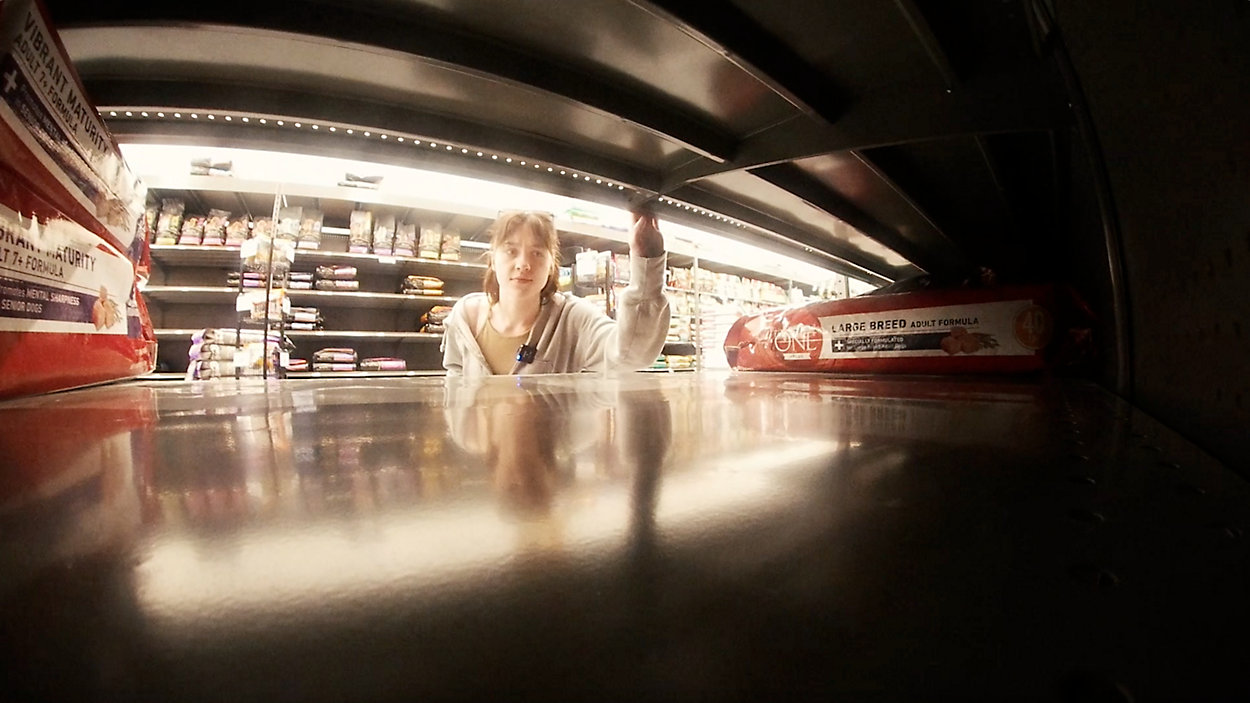
It’s a jarring sight: an empty shelf where your pet’s favorite food used to be. This isn't just an inconvenience; it's a stark reminder of how fragile our supply chains can be. News out of Wisconsin recently highlighted how supply chain shortages are impacting pet food availability. As someone who’s spent over two decades in IT, working with businesses right here in Wausau, I see this not just as a pet owner's problem, but as a critical business challenge that demands our attention and proactive solutions.
The Ripple Effect: Beyond the Pet Bowl
When we talk about supply chain disruptions, we often think of large-scale manufacturing or complex electronics. But the reality is, these issues trickle down to even the most everyday items, like pet food. For businesses in Wausau, understanding these vulnerabilities is the first step towards building a more robust operation. The impact isn't just lost sales; it's customer frustration, potential brand damage, and a loss of trust. This isn't about predicting the unpredictable, but about building systems that can absorb shocks and recover quickly. Think about it: if a disruption can impact the availability of something as fundamental as pet food, what could it do to your own critical business inputs?
Lessons from the Kibble Shortage: Proactive Planning is Key
The shortages, as reported, stem from a complex web of factors – manufacturing delays, transportation issues, and ingredient sourcing challenges. For businesses in Wisconsin, and particularly for those in our local Wausau community, this underscores the need for a multi-layered approach to supply chain management. We can't afford to be reactive. This means actively seeking out diverse suppliers, exploring alternative shipping routes, and leveraging technology to gain real-time visibility into our inventory and logistics. It's about moving beyond a simple 'just-in-time' model to one that incorporates 'just-in-case' planning. This might involve investing in inventory management software that provides predictive analytics, allowing you to anticipate potential bottlenecks before they occur. For example, using a system like SAP Integrated Business Planning (IBP) can help model various scenarios and identify risks far in advance.
Leveraging Technology for Supply Chain Agility
This is where my background in IT becomes so relevant. For years, I've seen how the right technology can transform business operations. In the context of supply chain resilience, this means looking at solutions that offer transparency and control. For instance, implementing a cloud-based supply chain management (SCM) platform can provide a single source of truth for all your logistics data. Tools like Oracle SCM Cloud or Microsoft Dynamics 365 Supply Chain Management can offer end-to-end visibility, from raw material sourcing to final delivery. This allows for quicker identification of issues and faster implementation of corrective actions. Imagine a Wausau-based producer of specialty food items, for instance, being able to track their key ingredients in real-time across different carriers, rerouting shipments with a few clicks if a delay is detected at a critical port, rather than finding out days later.
Building a Resilient Local Ecosystem
The pet food situation is a localized manifestation of a global problem. For Wausau and Wisconsin businesses, the answer lies not just in individual company strategies, but in fostering a more interconnected and resilient local business ecosystem. This could involve greater collaboration between businesses, sharing best practices, and even exploring joint purchasing or logistics initiatives. Imagine local manufacturers in the Wausau area pooling resources to secure more favorable shipping contracts, or sharing warehousing space to buffer against unexpected demand spikes. This collaborative approach, empowered by smart IT solutions, can create a stronger, more adaptable business community capable of weathering future storms.
Moving Forward: From Reactive to Proactive
The empty pet food shelves are a wake-up call. They remind us that in today's interconnected world, disruptions are inevitable. The key is not to avoid them entirely, but to build the capacity to adapt and recover. For businesses in Wausau and across Wisconsin, this means embracing technological solutions, fostering collaboration, and prioritizing proactive planning. By investing in robust IT infrastructure and strategic supply chain management, we can ensure that our businesses, and the communities they serve, are better prepared for whatever the future may hold. If you're a Wausau or Wisconsin business owner looking to bolster your supply chain resilience or any other aspect of your IT strategy, I'm here to help. Let's discuss how we can build a more robust future together.
If you want to read more, check out the original article.

20+ years in IT systems, automation, and full-stack development. Learn more →