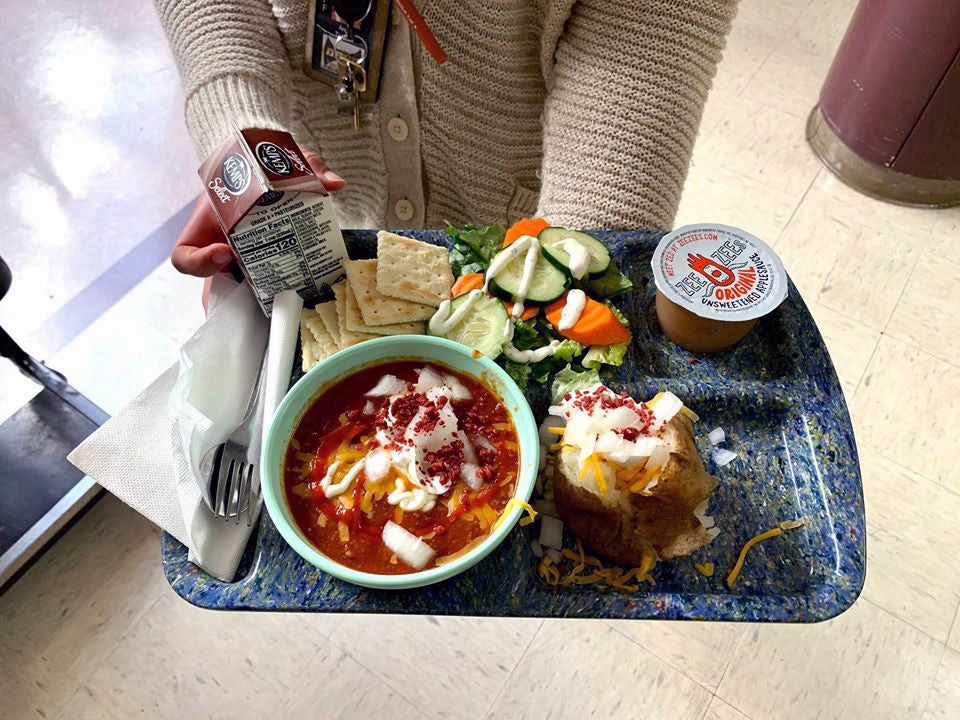
Image: WPR
When we think about school cafeterias, we usually focus on what's on the plate. But recently, I've been thinking a lot about what's *not* on the plate, and why. A WPR report highlighted significant supply chain and labor issues hitting Wisconsin’s school kitchens, impacting everything from pizza days to basic nutrition. It’s a stark reminder that behind even the simplest operations, complex challenges exist – and often, the solution lies where you might least expect it: in smart IT strategy.
The Wausau Impact: Beyond Frozen Foods
This isn't just a theoretical problem for some far-off district. Imagine a Wausau elementary school trying to serve balanced meals when key ingredients are consistently unavailable or delayed. The ripple effect is significant. Students miss out on nutritious food vital for their learning, and school staff are left scrambling, often with manual workarounds that are inefficient and stressful. The reliance on outdated procurement methods and a lack of real-time inventory visibility exacerbates these issues. For IT professionals like myself, with over two decades of experience, this signals a clear need for technological intervention.
From Paper Trails to Predictive Procurement
The core of the problem often boils down to a lack of integrated systems. Many school districts still operate with fragmented processes. Ordering might be done via phone calls or faxes, inventory tracked on spreadsheets, and communication with suppliers relies on manual follow-ups. This is where IT automation and robust data management platforms can make a dramatic difference. Think about implementing a cloud-based inventory management system. This would provide real-time visibility into stock levels, flagging items that are low *before* they become critical shortages. Tools like Microsoft Dynamics 365 Supply Chain Management, while often associated with large enterprises, offer scaled-down solutions or can be adapted to manage inventory, track orders, and forecast demand more accurately.
Case Study: Optimizing the School Supply Flow
Consider a hypothetical scenario: a mid-sized Wisconsin school district wants to streamline its fruit and vegetable procurement. Currently, they struggle with inconsistent deliveries and a lack of variety due to unpredictable supplier stock. By adopting a centralized procurement platform, integrated with their inventory system, they can gain immediate benefits. This platform could, for instance, leverage APIs from major food distributors to pull real-time product availability and pricing. The system can then automatically generate purchase orders when stock falls below a predefined threshold, sending them directly to approved vendors. Furthermore, by analyzing historical consumption data, the system can predict future needs, allowing for more proactive and bulk purchasing when prices are favorable, thereby reducing costs and ensuring consistent supply. This moves them from reactive ordering to a more strategic, data-driven approach.
Addressing the Labor Gap Through Efficiency
The WPR article also pointed to labor shortages. While IT can't directly hire more people, it *can* make the jobs of existing staff far more efficient. Automated ordering systems, streamlined reporting, and better communication tools reduce the administrative burden on cafeteria managers and staff. This frees up their time to focus on food preparation and student service, rather than getting bogged down in paperwork and chasing down suppliers. Think about implementing a simple, mobile-friendly interface for receiving deliveries or conducting daily inventory checks. These small automations can accumulate into significant time savings and a more positive work environment, potentially aiding in staff retention.
The Power of Data in Every Bite
Ultimately, the solution lies in leveraging technology to create a more resilient and efficient supply chain for our schools. It's about moving beyond the immediate crisis to build a system that can anticipate and adapt. For Wausau and Wisconsin businesses facing similar operational hurdles, the principles are transferable. Understanding where your critical resources are coming from, having visibility into your stock, and automating routine tasks can transform challenges into opportunities. It’s about applying practical IT solutions to real-world problems, ensuring that our essential services, like school cafeterias, run smoothly.
If your organization is wrestling with supply chain complexities, workforce efficiency, or any other operational bottleneck that could benefit from strategic IT, I encourage you to reach out. Let's discuss how tailored solutions can bring clarity and control to your operations. Visit our Services page or connect directly via our Contact form.
20+ years in IT systems, automation, and full-stack development. Learn more →