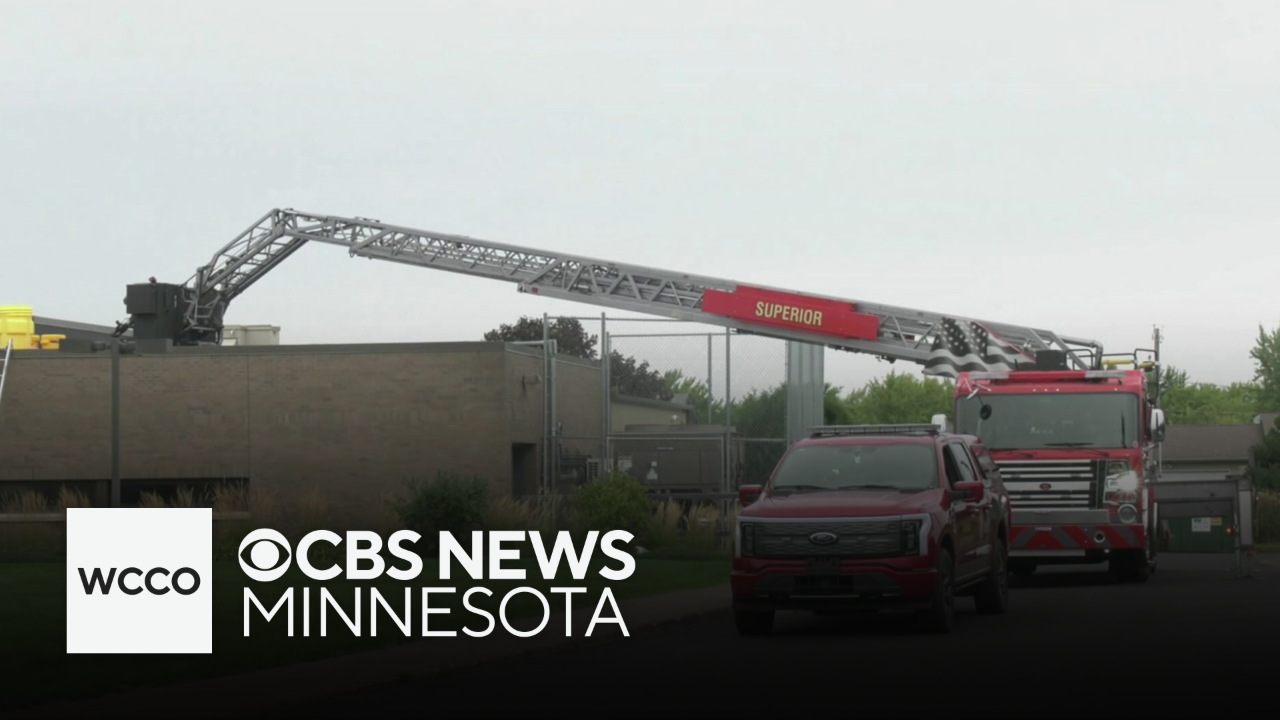
Image: CBS News
Last week, Enbridge Energy’s northern Wisconsin facility faced a fire and vandalism, an event that serves as an immediate reminder that your business continuity plan shouldn't just exist on a PDF in your drawer. For a 40-person company in central Wisconsin, this isn't just a headline; it’s a direct warning that regional physical infrastructure is vulnerable, and your reliance on the local utility grid or regional logistics chains is a single point of failure you need to design around.
According to the U.S. Energy Information Administration (2022), power outages cost U.S. businesses roughly $150 billion annually. When local energy hubs struggle, ripple effects hit your procurement, your internal server uptime, and your ability to maintain uptime for your own clients. You need to assess how deep your dependency goes before the next disruption occurs.
The Hidden Cost of Single-Point Dependencies
Most mid-sized firms assume that if the "main" power or transport link goes down, the backup will kick in seamlessly. In practice, I often see localized operations running their primary databases on local hardware with inadequate power filtering or redundant connectivity. If your facility in Wausau relies on a single regional grid connection for your IIoT or manufacturing systems, you are essentially one localized event away from a complete production halt.
Consider a small logistics firm I worked with that relied on a single local fiber drop to manage their entire inventory API. When a regional utility incident disabled their local switching hub, their connection to their cloud-based WMS (Warehouse Management System) died instantly. Because they had no secondary LTE/5G failover, they lost three hours of picking and packing operations—a total hit of nearly $12,000 in lost labor and delayed shipments.
Leveraging Predictive Analytics for Asset Health
We often talk about AI as a buzzword, but in the context of infrastructure, it’s about predictive maintenance. You should be using platforms like Microsoft Azure IoT Hub to monitor the health of your critical local hardware. Instead of waiting for a manual alarm, you can configure telemetry to notify your team when power fluctuations or hardware stressors reach a threshold that historically precedes a failure.
By integrating tools like Azure Stream Analytics, you can process incoming telemetry from your facility’s smart power meters in real-time. If your hardware is drawing power in a pattern that suggests grid instability, the system can trigger an automated shutdown sequence or switch your critical workloads to an off-site instance, preventing physical damage to your servers.
Monday Morning Action Items
Don't wait for a site visit to assess your exposure. Start your Monday by checking these three things:
- Review your Failover Logic: Does your network configuration actually switch to your secondary ISP automatically, or does it require manual intervention? Test a hard-line pull.
- Audit your UPS Capacity: Check the batteries on your Uninterruptible Power Supplies. If they haven't been replaced in three years, they are effectively decorative bricks.
- Define Critical Workloads: If the power stays off for 24 hours, what 20% of your systems are absolutely required to keep the lights on? Migrate these to a cloud-based environment like Azure Virtual Desktop so they remain accessible even if your office is physically compromised.
Rethinking Localized Infrastructure
We rely on our local energy and utility partners to keep our operations running, but their challenges inevitably become our challenges. As an IT professional with over 20 years in this industry, I’ve seen enough "unforeseen" events to know that the most successful firms are the ones that stop viewing infrastructure as a set-and-forget service and start treating it as a dynamic, fragile asset that requires constant architectural oversight.
If you are struggling to map out your infrastructure dependencies or need a second pair of eyes on your disaster recovery strategy, let’s talk. I help businesses across Wisconsin build systems that don't crumble when the regional grid does. Reach out via my contact page to schedule a consultation.
If you want to read more, check out the original article.
20+ years in IT systems, automation, and full-stack development. Learn more →