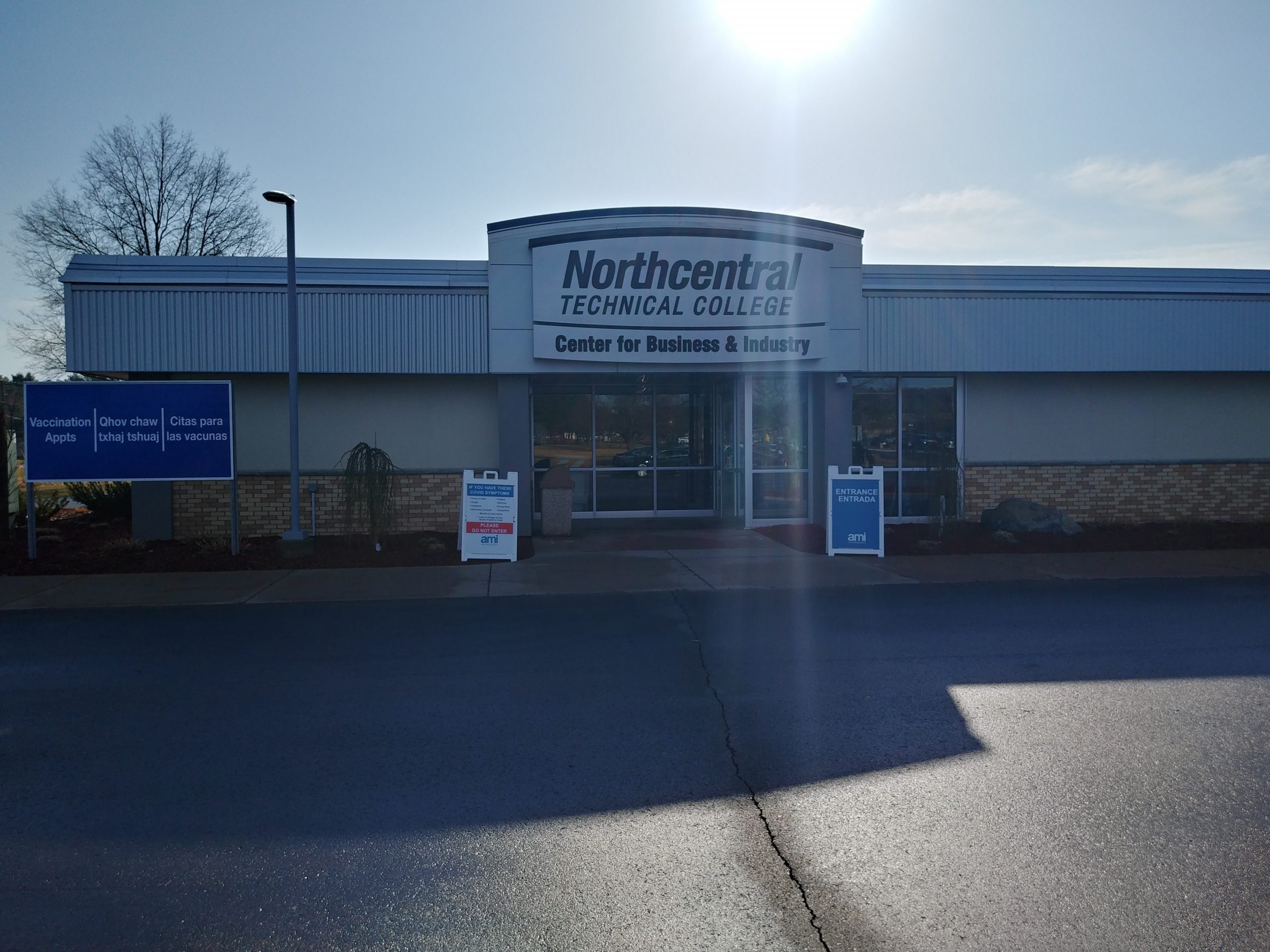
Image: WDEZ
NTC, right here in Wausau, just announced a new AI Developer degree program. For a 40-person manufacturing firm in central Wisconsin, this isn't about rushing to hire a fresh AI graduate next week. Instead, it’s a clear signal: the foundational talent for advanced artificial intelligence is now being cultivated in our own backyard. This shifts the landscape, offering local manufacturing operations new avenues to boost efficiency, enhance quality, and tackle challenges that once seemed solvable only with expensive, remote expertise.
As someone with over 20 years in IT, I’ve seen firsthand how access to specialized talent can transform local businesses. This program means that the future of smarter, more agile manufacturing, driven by AI, is becoming a much more tangible reality for Wausau companies. It’s an opportunity to move beyond general IT support and start thinking about how tailored AI solutions can address your specific production bottlenecks and operational goals.
A New Workforce Fueling Local Production
An AI Developer isn't just a coder; they're problem-solvers who understand how to design, train, and deploy machine learning models to extract value from data. This localized talent pool from NTC will eventually bridge the gap that many Wisconsin manufacturers face: needing advanced technical skills without the budget or desire to compete with Silicon Valley salaries. Instead of relying solely on external consultants for every AI initiative, you'll soon have a growing pool of local professionals who can help integrate these technologies directly into your operations.
Think about the complexities of a manufacturing environment – intricate machinery, diverse material flows, and tight production schedules. Having local expertise means shorter communication lines, a better understanding of regional industry nuances, and potentially quicker project turnaround times. This isn't just about hiring; it's about fostering a local ecosystem where AI innovation can thrive, tailored to the specific needs of our Wausau economy.
AI Beyond the Hype: Practical Manufacturing Applications
The real value of AI for manufacturers lies in its practical applications, not just the buzzwords. For a metal fabrication shop in Schofield, for example, a common pain point is quality control. Manually inspecting every part for surface defects or dimensional inaccuracies is time-consuming and prone to human error. An AI solution, leveraging computer vision, can automate and standardize this process.
Imagine setting up a camera system on your production line that feeds images to a model built using Microsoft Azure Custom Vision or Google Cloud's Vision AI. This AI can be trained on thousands of images of good and defective parts, learning to identify issues like cracks, scratches, or incorrect dimensions with incredible speed and consistency. This isn't science fiction; it's being implemented today. This capability could lead to a significant reduction in scrap rates and customer returns, directly impacting your bottom line. According to a 2023 McKinsey survey, manufacturers who implemented AI saw an average 10-15% reduction in operational costs through improved efficiency and waste reduction.
Small Operations, Big AI Advantages
For a 40-person manufacturing company, directly hiring an AI Developer might not be the immediate next step. However, the rise of cloud-based AI-as-a-Service platforms makes advanced capabilities accessible. You don't always need to build a complex AI model from scratch. Platforms like Azure Machine Learning, AWS SageMaker, or Google Cloud AI Platform offer pre-trained models and low-code/no-code tools that democratize AI.
Consider predictive maintenance. Your machines are constantly generating sensor data – temperature, vibration, pressure. Instead of waiting for a breakdown, an AI model can analyze these data streams in real-time, detecting subtle anomalies that indicate impending failure. You could use Azure's Anomaly Detector API to monitor these sensor readings, flagging potential issues before they cause costly downtime. This proactive approach saves on emergency repairs, extends equipment life, and keeps production schedules on track, providing a competitive edge for even smaller operations.
Your Monday Morning AI Action Plan
So, with NTC cultivating this new talent, what should you, a Wausau manufacturing business owner or plant manager, actually do this week?
- Identify a Single, Critical Pain Point: Don't try to solve everything at once. Pick one area where an incremental improvement would have a significant impact. Is it machine downtime, quality control, energy consumption, or inventory accuracy?
- Inventory Your Data: What data are you already collecting related to that pain point? Sensor readings, production logs, quality inspection reports, ERP data? Even if it's messy, understanding what you have is the first step.
- Research Low-Code AI Tools: Explore platforms like Microsoft Power Apps + AI Builder, or cloud-native services from Azure or AWS that offer pre-built AI capabilities. Many allow you to experiment with minimal upfront investment.
- Talk to an IT Consultant: Before diving deep, consult with someone who understands both your manufacturing processes and the IT landscape. My experience helping Wausau businesses integrate complex systems can help you evaluate the feasibility and potential ROI of an AI pilot project. We can assess your existing infrastructure and identify the most practical first steps.
The NTC AI Developer degree program is more than just an academic offering; it's an investment in the future capabilities of our central Wisconsin workforce and, by extension, our local industries. For manufacturing, this means a tangible path towards greater efficiency and innovation. The talent pipeline is forming, and now is the time to start thinking about how to connect your operational needs with these emerging capabilities.
If you're ready to explore how AI can practically benefit your manufacturing operations, I’m here to help you navigate the options. Visit my services page or get in touch to discuss your specific needs.
If you want to read more, check out the original article.
20+ years in IT systems, automation, and full-stack development. Learn more →