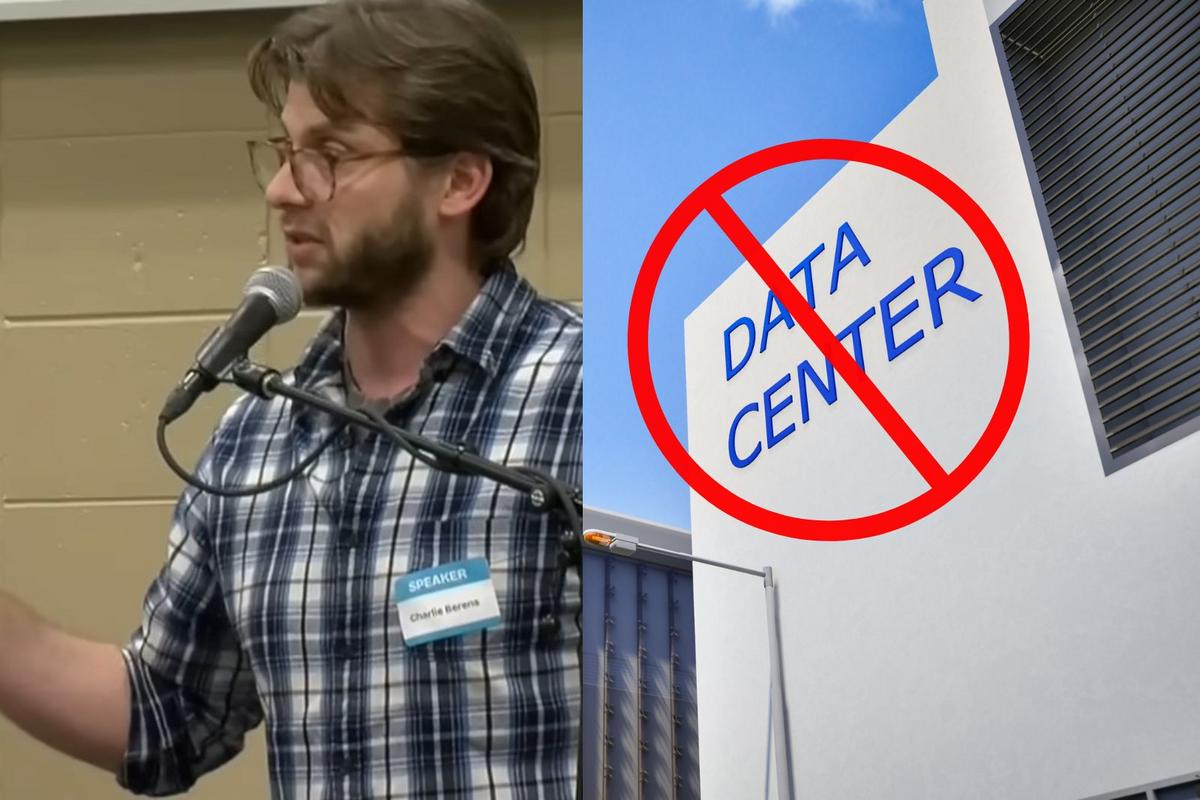
Image: kdhlradio.com
As I consider the recent expansion of AI data centers in Wisconsin, I am reminded of the importance of responsible technology growth. As an IT consultant with over 20 years of experience, I have seen firsthand the impact that large-scale technology projects can have on local communities.
Introduction to AI Data Centers
AI data centers are essentially large facilities that house powerful computers and storage systems, designed to support the processing and analysis of vast amounts of data. These centers are a crucial component of the AI ecosystem, enabling applications such as machine learning, natural language processing, and computer vision. In Wisconsin, the growth of AI data centers is being driven by the increasing demand for cloud computing services, with companies like Microsoft Azure leading the charge.
Environmental Concerns
The expansion of AI data centers in Wisconsin has raised concerns about the environmental impact of these facilities. The high energy requirements of these centers can strain local power grids, leading to increased greenhouse gas emissions and contributing to climate change. Furthermore, the construction of these facilities can result in the destruction of natural habitats and the disruption of local ecosystems. As someone who is passionate about the beauty of the Wisconsin landscape, I believe it is essential that we take steps to mitigate the environmental effects of AI data centers.
Community Impact
In addition to environmental concerns, the growth of AI data centers in Wisconsin is also having a significant impact on local communities. The construction of these facilities can create jobs and stimulate local economies, but it can also lead to increased traffic, noise pollution, and strain on local resources. As an IT consultant based in Wausau, I have seen how the growth of technology companies can both benefit and challenge local communities. It is crucial that we work to ensure that the benefits of AI data centers are shared equitably among all members of the community.
Technological Solutions
So, what can be done to mitigate the environmental and community impacts of AI data centers in Wisconsin? One approach is to leverage technologies like Microsoft Azure's sustainability toolkit, which provides a framework for assessing and reducing the environmental impact of cloud-based applications. Another approach is to utilize APIs like the Google Cloud Carbon Footprint API, which enables developers to estimate the carbon footprint of their applications. By using these tools and frameworks, we can work to create more sustainable and responsible AI data centers that benefit both the environment and local communities.
Conclusion and Next Steps
In conclusion, the growth of AI data centers in Wisconsin presents both opportunities and challenges for local communities. As an IT consultant with expertise in Microsoft Azure and MCSE, I am committed to helping organizations navigate the complex issues surrounding AI data centers. If you are interested in learning more about how to mitigate the environmental and community impacts of AI data centers, I invite you to visit my services page or contact me directly to discuss your needs and concerns.

20+ years in IT systems, automation, and full-stack development. Learn more →